Where data becomes a game, and emotion has gravity
Designed by Siqi Zhang (sz3304) + Manas Bhatia (mb5327)
MS CDP, Columbia GSAPP, 2025
Course: A4980-1 / Spring 2025
Instructor: Nitzan Bartov
Introduction
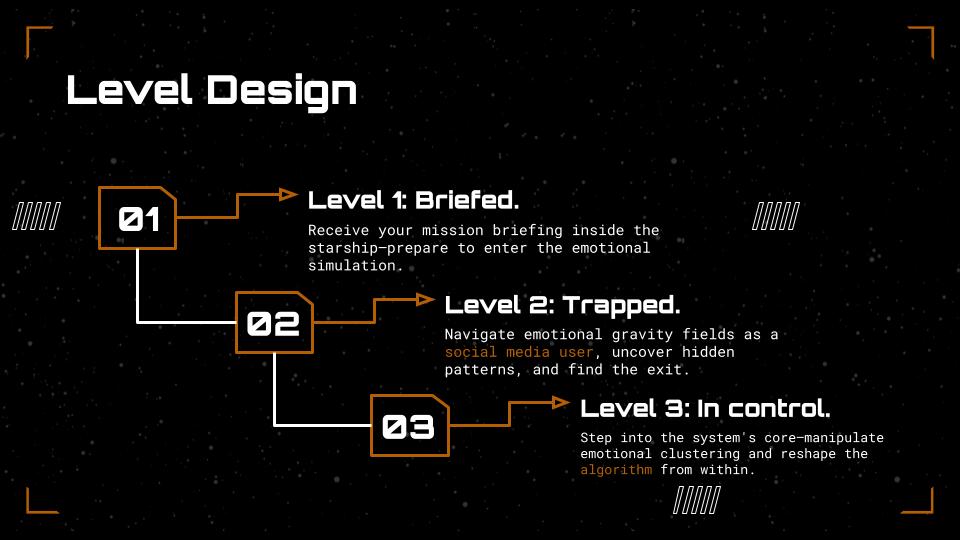
EmotionEcho.exe is a three-stage interactive experience that visualizes how emotional landscapes are shaped and echoed by algorithmic systems like TikTok. Built in Unreal Engine 5, the game begins with a storytelling tutorial that introduces the emotional logic behind digital echo chambers.
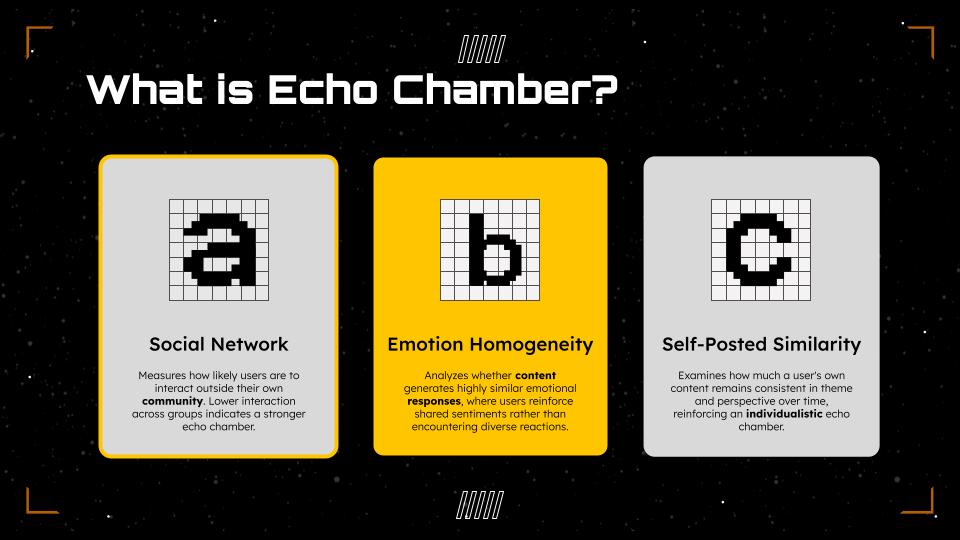
Players then enter Level 2 as ordinary users, navigating an abstract platform space where emotional bubbles attract or repel them—making visible the invisible forces of algorithmic feedback loops. In Level 3, they switch roles: from player to algorithm. Inside a data control room, they manipulate real emotional data through sliders, quantifying clustering patterns and filtering mechanisms.
Data Preparation
Game Design
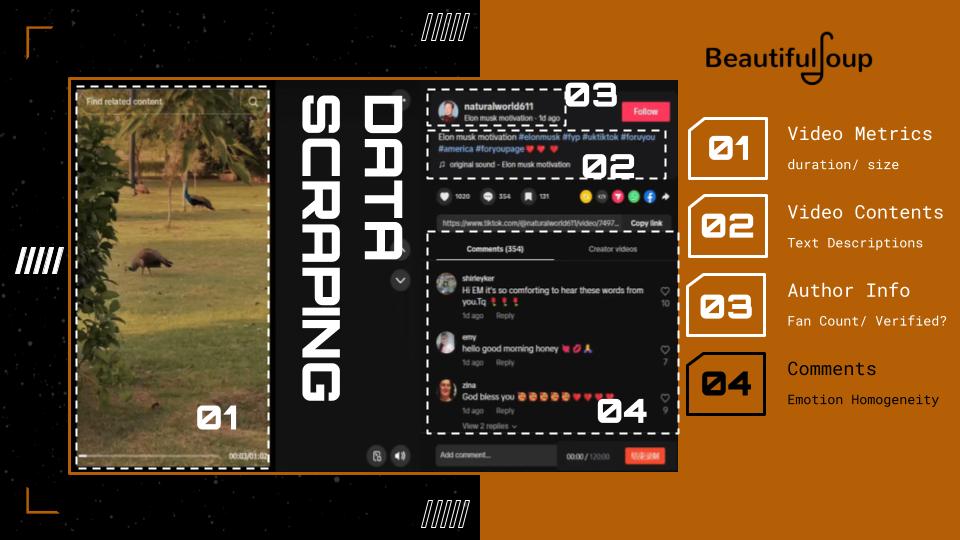
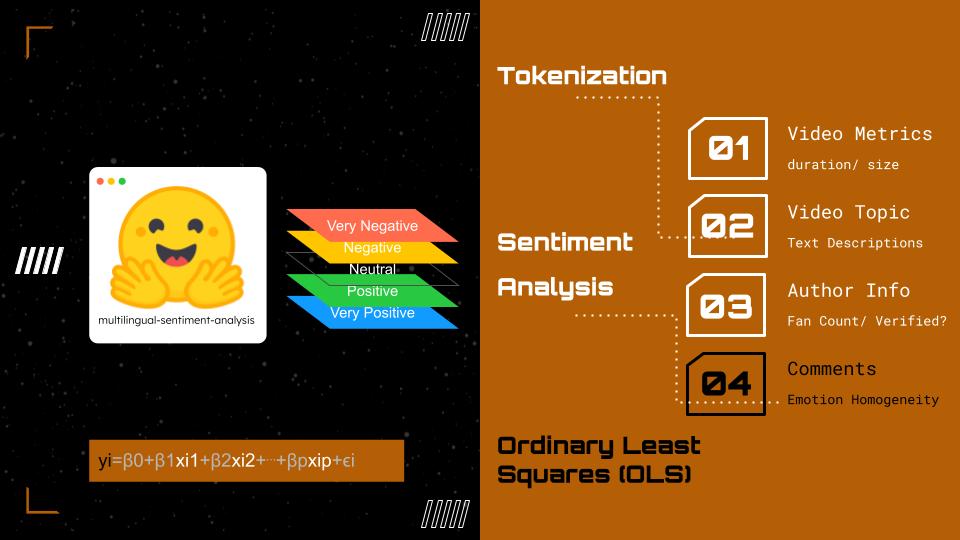
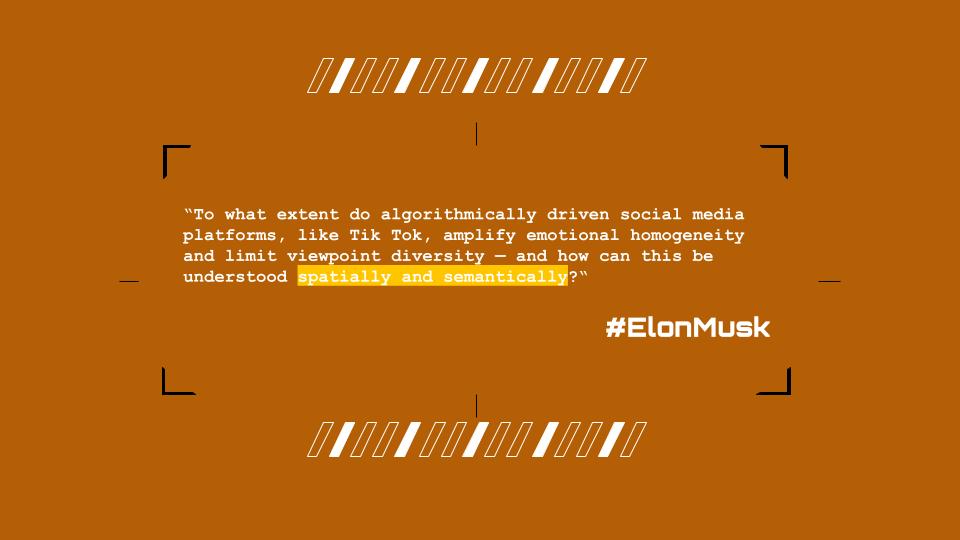
This project reimagines data visualization as a playable experience, allowing users to explore emotional data from the inside. The same framework could be adapted to other topics—for instance, this demo uses TikTok reactions to Elon Musk as gravitational fields, turning viral content into emotional singularities.
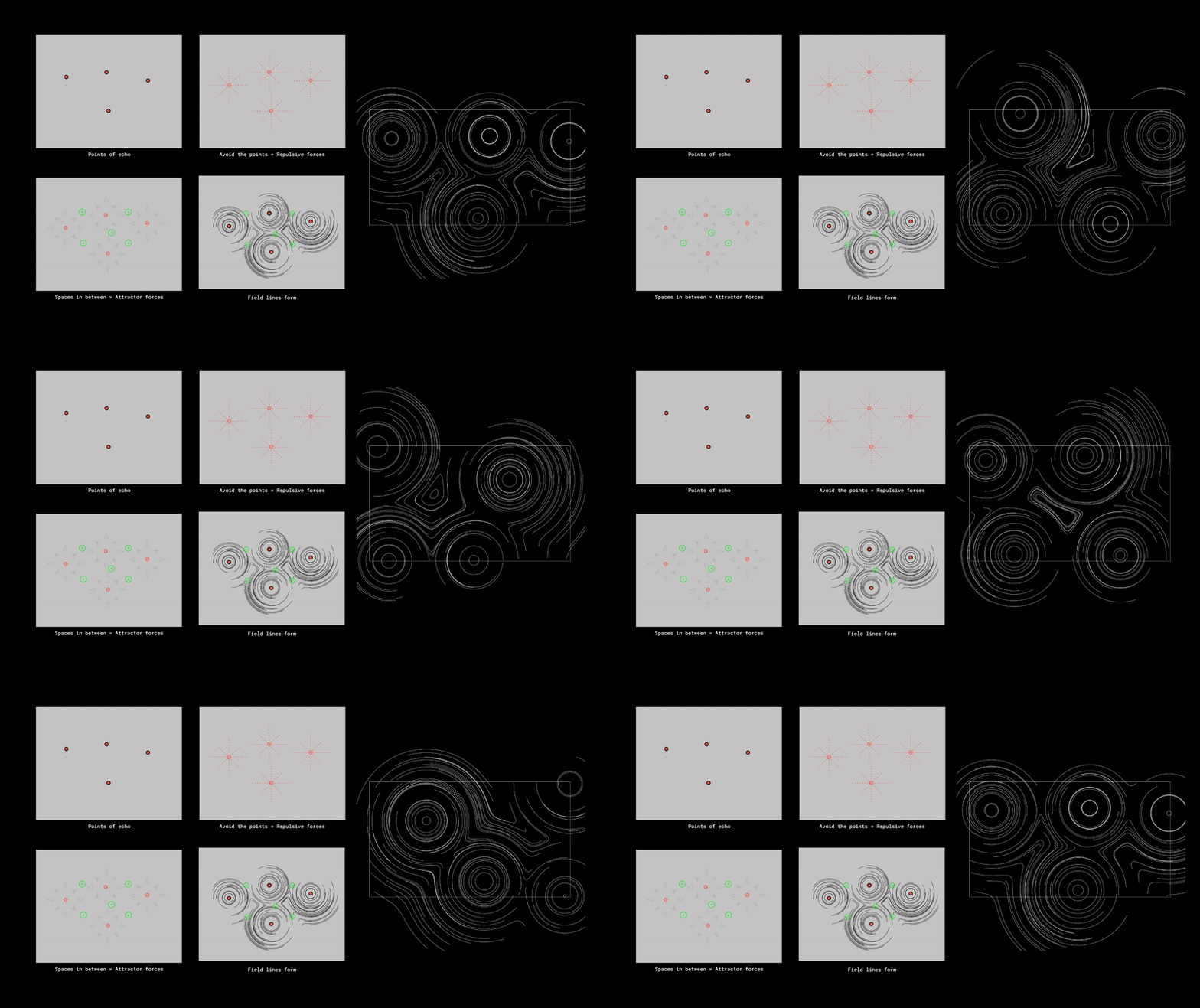
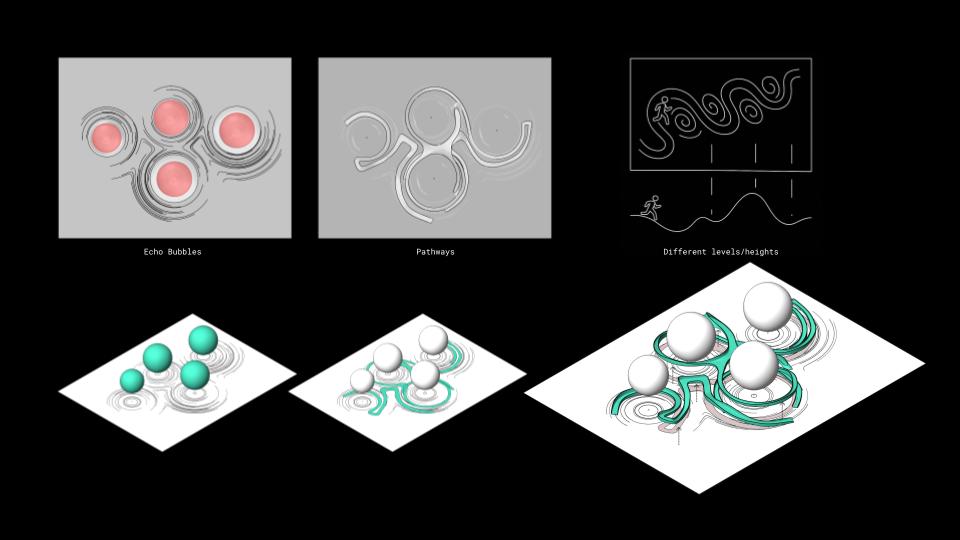
To construct the environment, we began by placing discrete points in space—each representing the origin of an echo chamber or ideological bubble. These acted as repulsive forces, symbolizing the desire to move away from isolated thinking. In contrast, the spaces between them became zones of attraction, forming a magnetic-like field of positive forces. Drawing inspiration from the behavior of magnetic fields, we used Rhino and Grasshopper to generate field lines within these neutral zones. These lines served as guides for designing connective pathways that bridge the divide between bubbles. Recognizing the need for spatial complexity and accessibility, we introduced vertical variation by elevating portions of the pathways, enhancing both navigability and immersive experience.
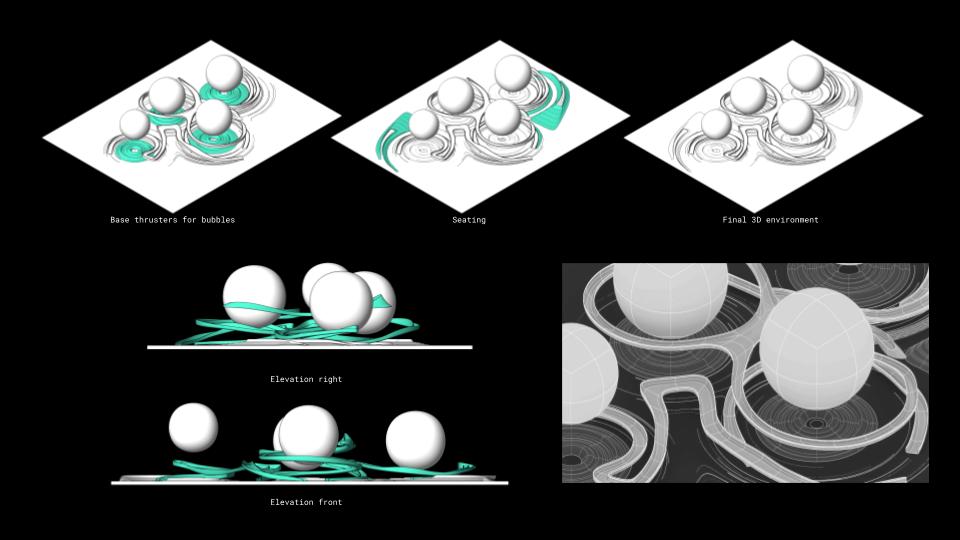
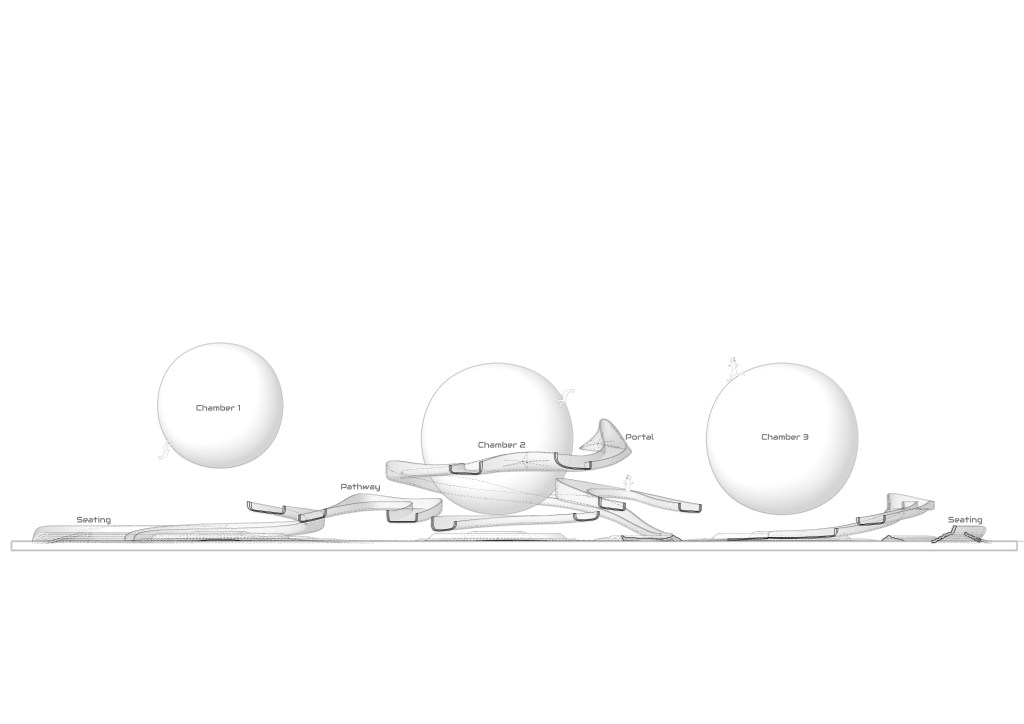
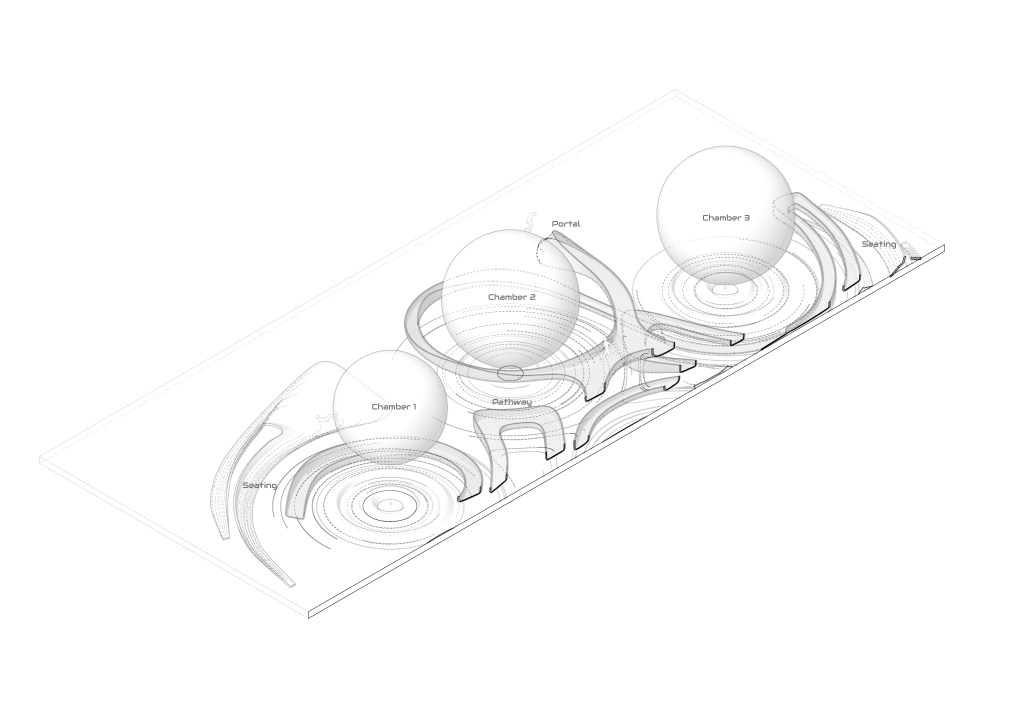
The Rhino model was exported using Datasmith plugin and imported into Unreal Engine for further development. Within Unreal, we sculpted the landscape, integrated contextual 3D building assets, applied materials, and adjusted the atmospheric conditions through fog and lighting effects. To enhance immersion, we incorporated animated flipbooks using GIFs and positioned images of cyberpunk cities behind the buildings, adding visual depth and a layered narrative to the environment.
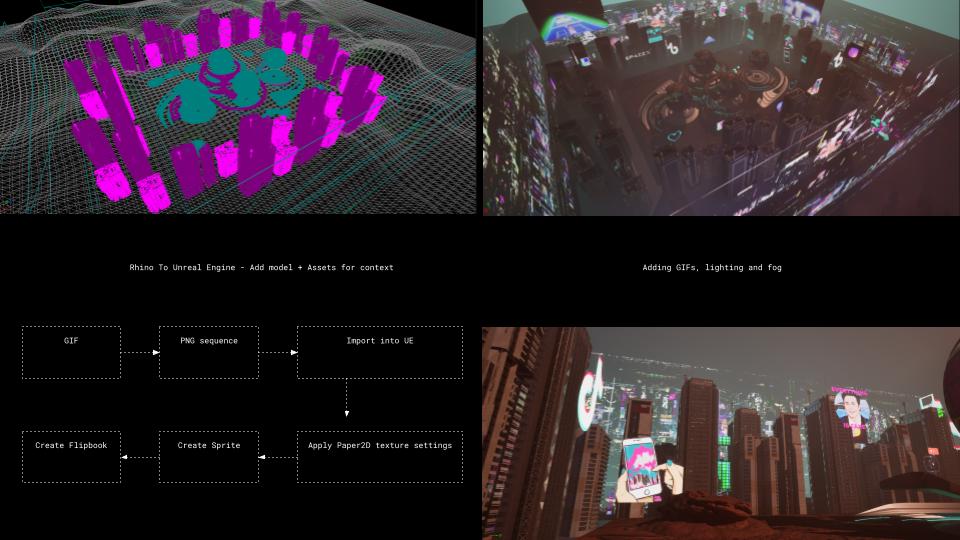
Game Mechanics
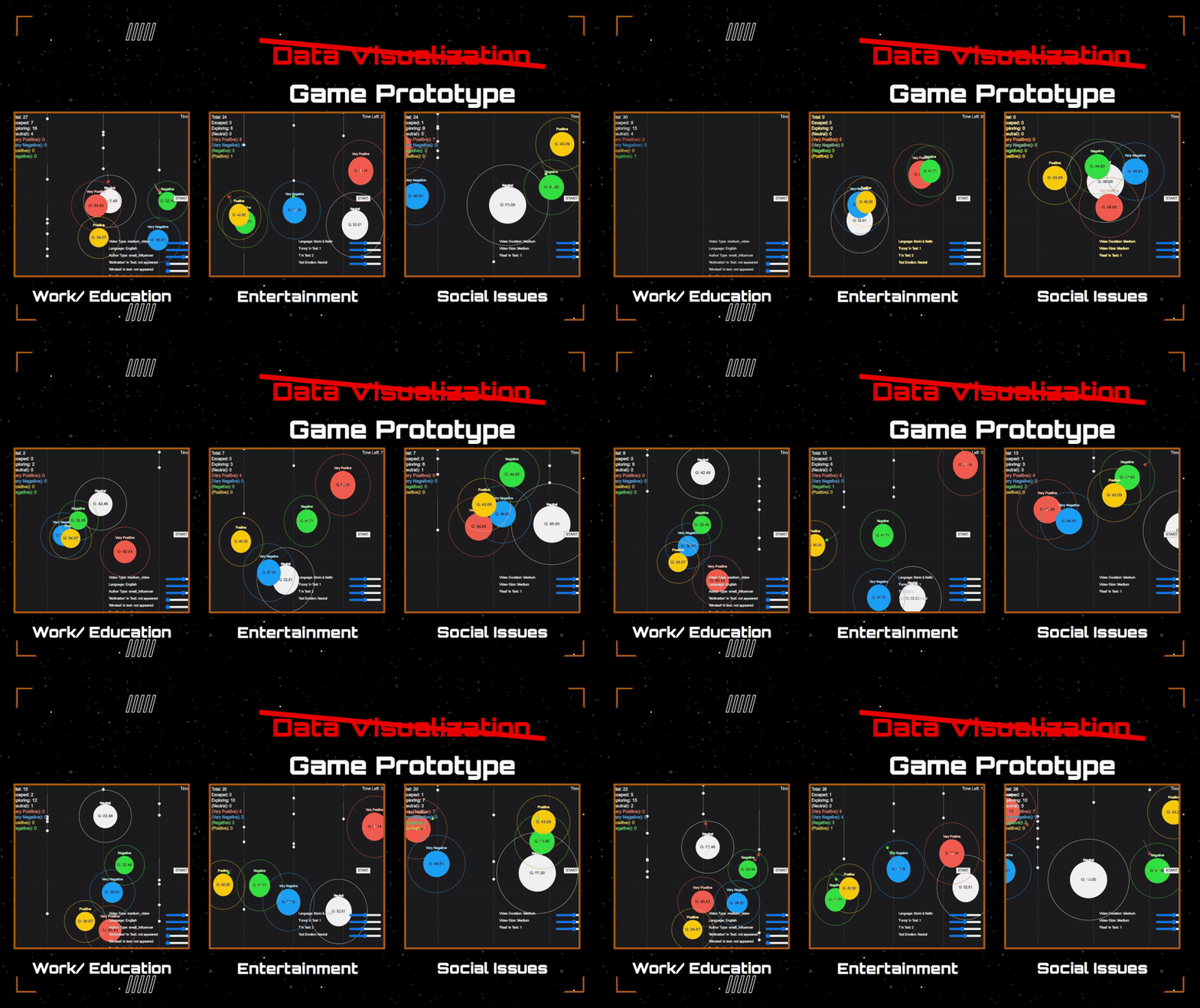
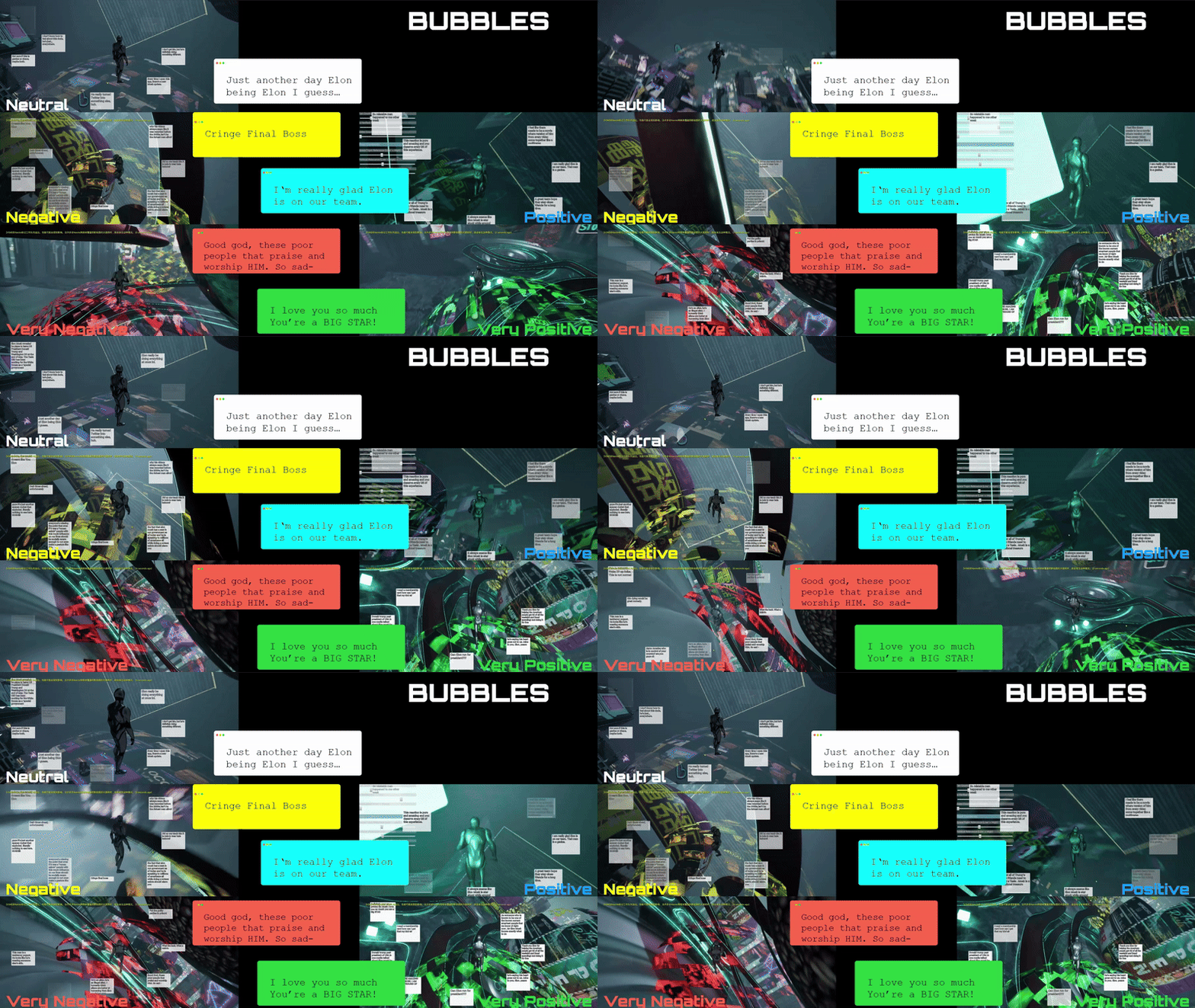
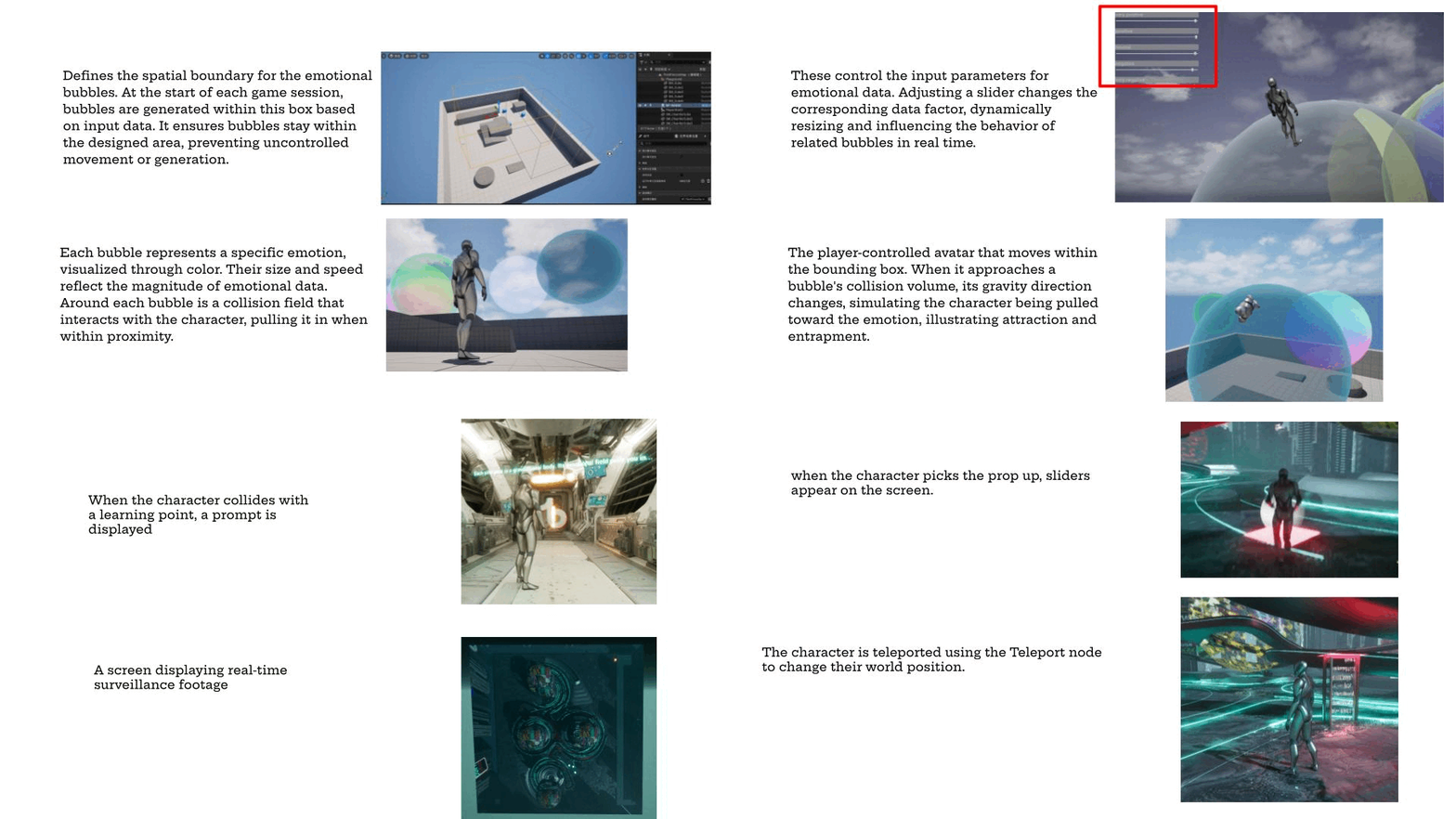
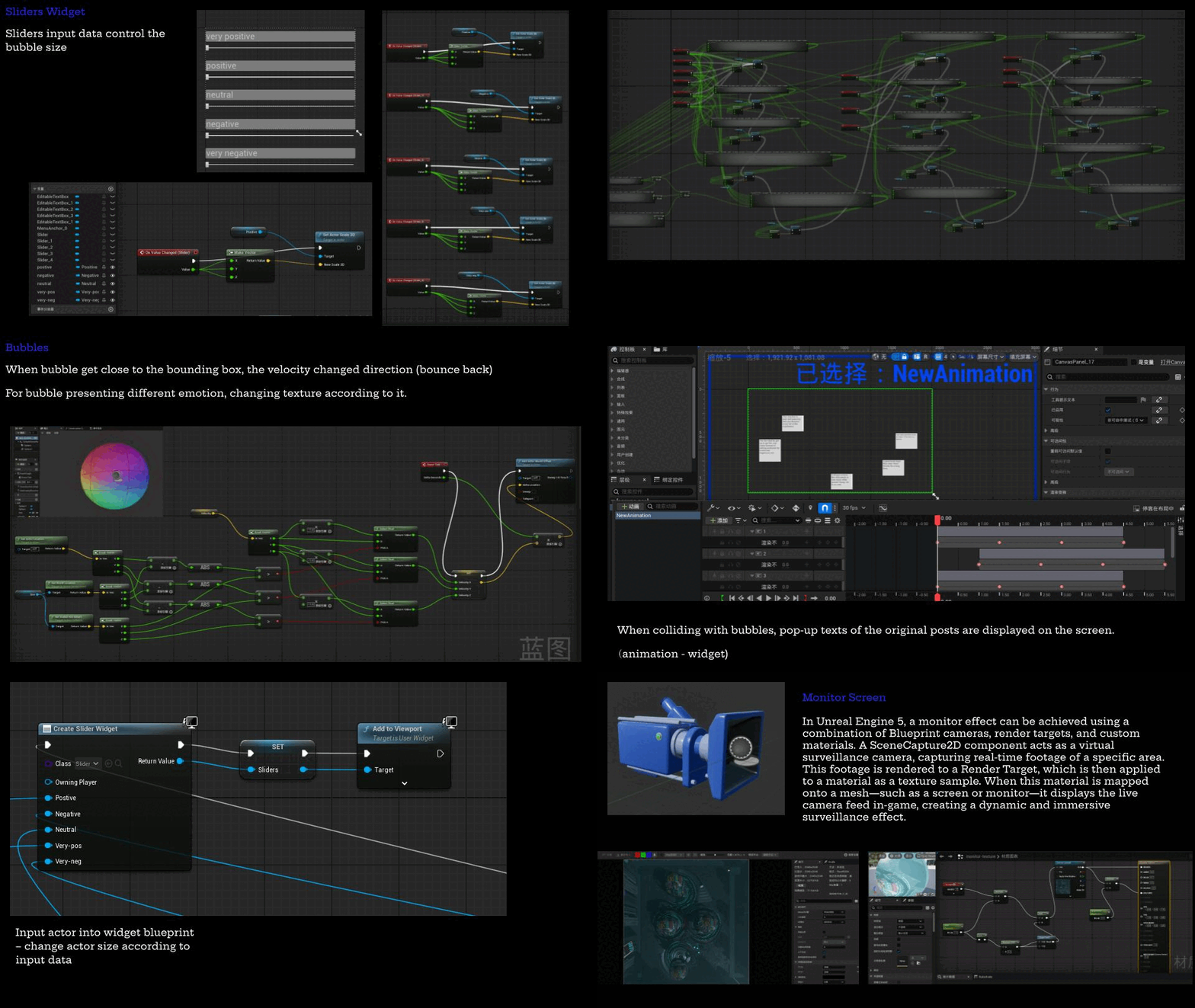
The game unfolds within a defined bounding box that contains all emotional bubbles, generated at the start of each session based on input data. Each bubble represents a distinct emotion, visualized through color, with its size and movement governed by the intensity of the data it embodies. Surrounding each bubble is a collision field that influences the player-controlled character—when the avatar nears a bubble, it is pulled toward it, simulating emotional attraction or entrapment through a shift in gravity direction. Sliders dynamically adjust emotional parameters in real time, reshaping the behavior and scale of corresponding bubbles. Throughout the environment, interactive elements such as learning points trigger prompts upon collision, while props activate UI overlays like sliders and real-time surveillance footage. Teleport nodes shift the character’s position within the world, allowing traversal between spatial zones and emotional states.
“Mars Isn’t Far, Opinions Are. This simulation doesn’t just map emotion. It amplifies it.”
Final presentation
https://docs.google.com/presentation/d/1NcO82xoQBgw8a9MiLRjg8qH9_c8i8LGVeE9XMissHro/edit?usp=sharing
 Course Blog
Leave a comment