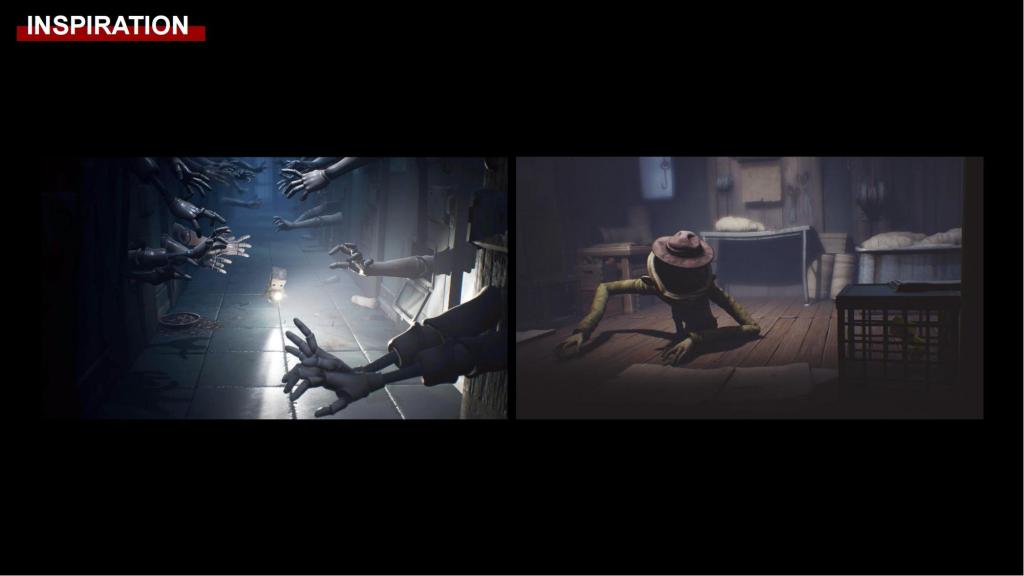
The inspiration comes from human dreams, where one passes through a series of layered spaces. Each space has its own atmosphere, scale, and logic—some are tense, others calm or abstract. The transitions between these environments reflect a sense of uncertainty and transformation, which became the foundation for the project’s spatial and experiential design.
The core system is built around three key mechanics: a monster that chases the player, cabinets for hiding, and weapons for attacking the monster. These interactions shape the game’s possible outcomes, where the player can either be killed by the monster or successfully defeat it.

Since the game is based on a chase mechanic, the map is similar to a maze. We created three distinct maze environments, each representing a different stage of a dream. Players descend into the next layer through a falling transition, symbolizing the shift from one dream state to another.
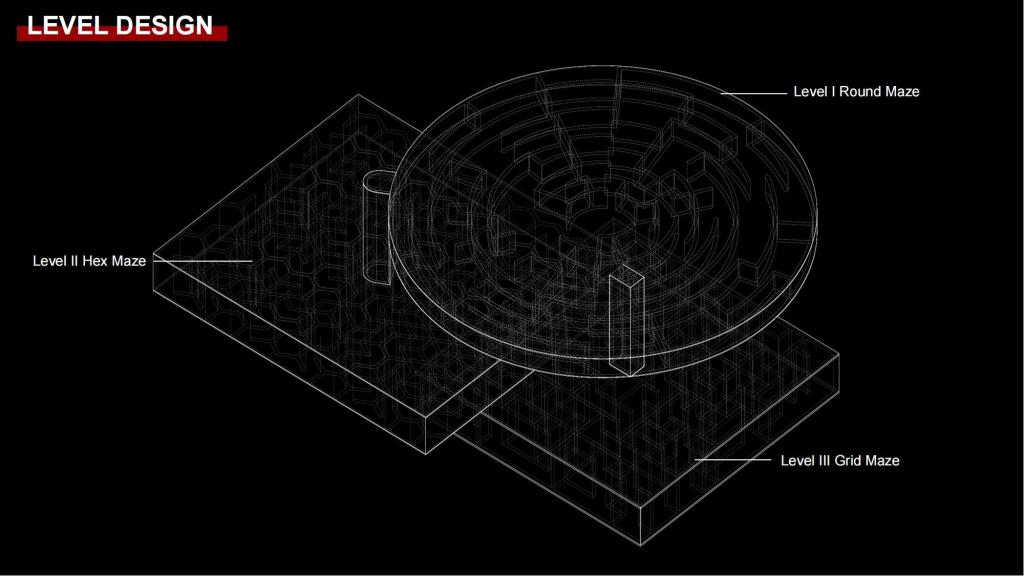
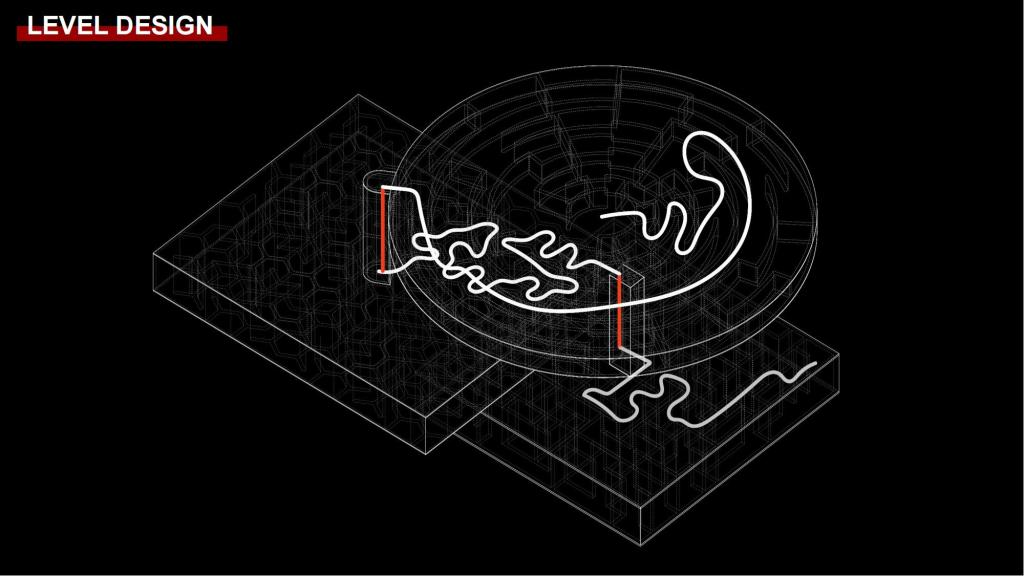
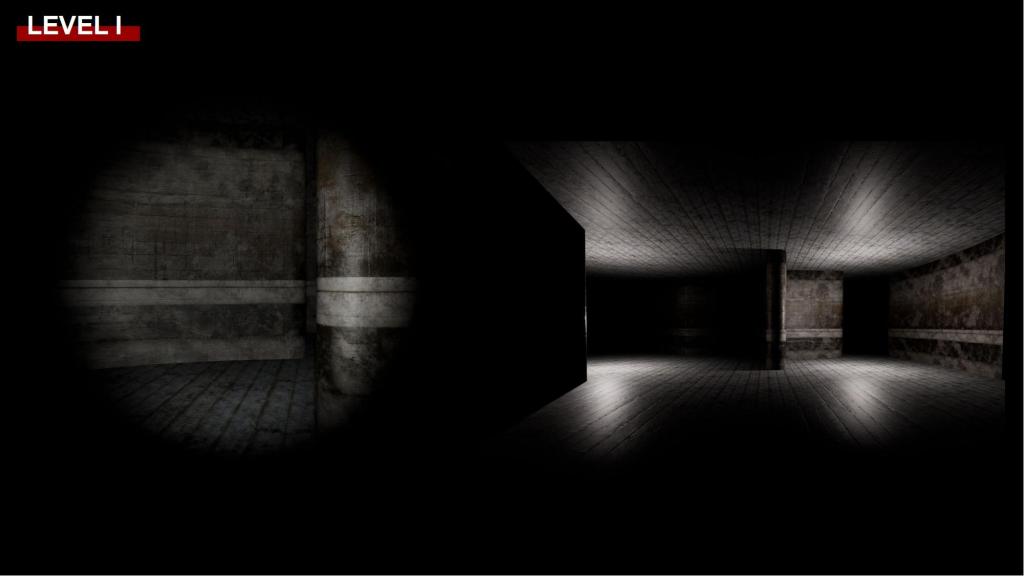
The first level presents a tense, horror-like atmosphere. Three AI enemies actively pursue the player, who must hide and carefully navigate to find the correct path to the next layer.
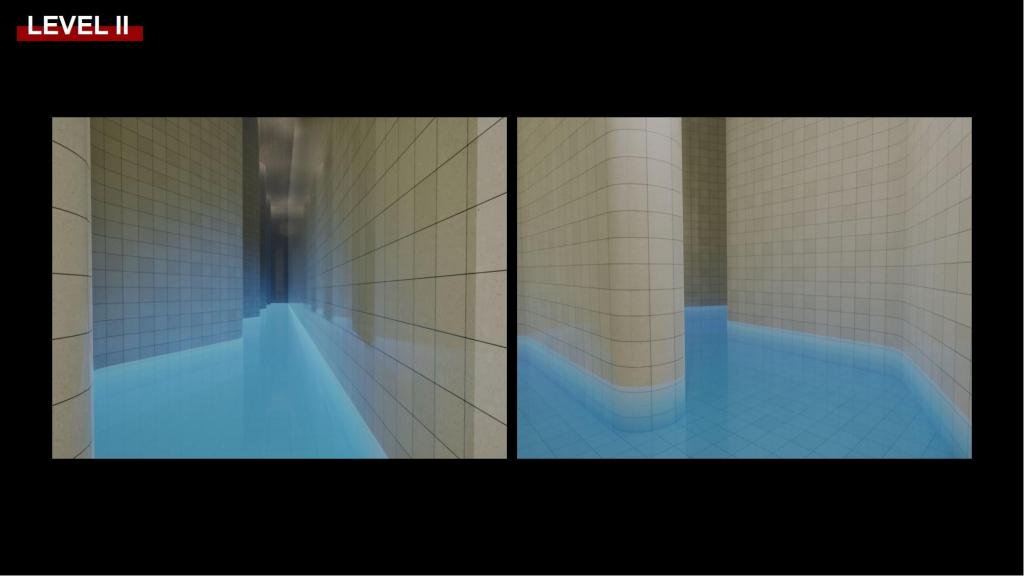
The second level is calm and introspective, reflecting a moment of self-exploration. There are no monsters here, and although the path is winding, it has no forks or dead ends.
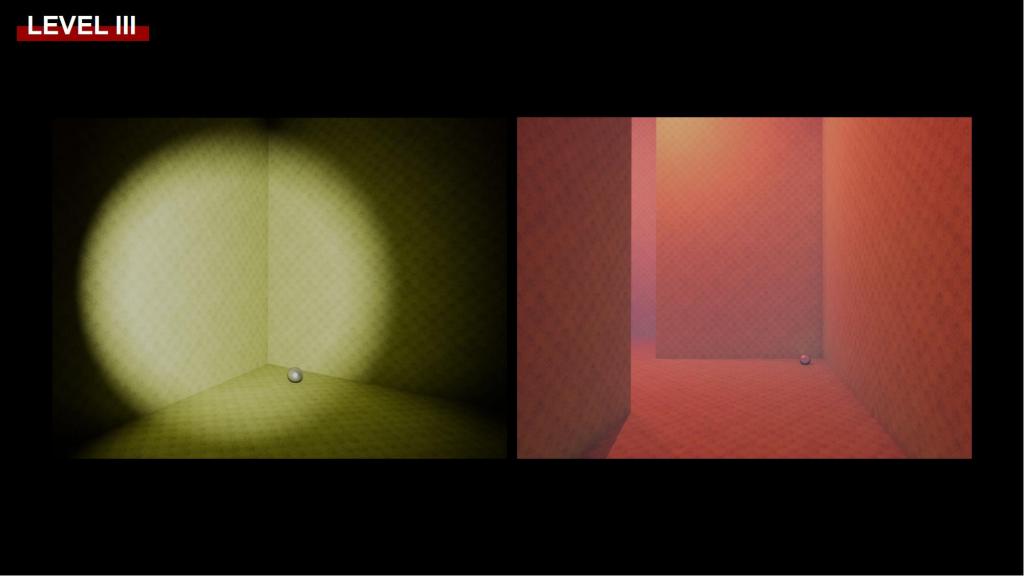
The third level introduces a turning point – players gain access to a weapon capable of defeating the AI. This shift in power allows for confrontation rather than avoidance.
The journey through these levels resembles a gradual awakening from a dream: from fear and disorientation, through reflection, to eventual clarity and control.
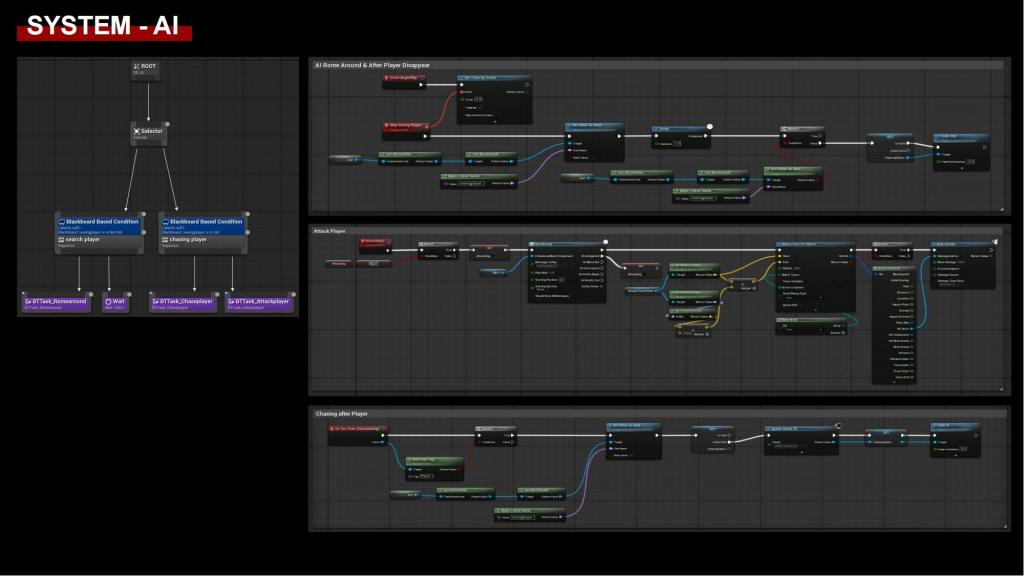
This is the Blueprint for generating the AI Character, including the behavior tree and how it executes various actions such as chasing the player, attacking the player, and roming around after the player disappears.
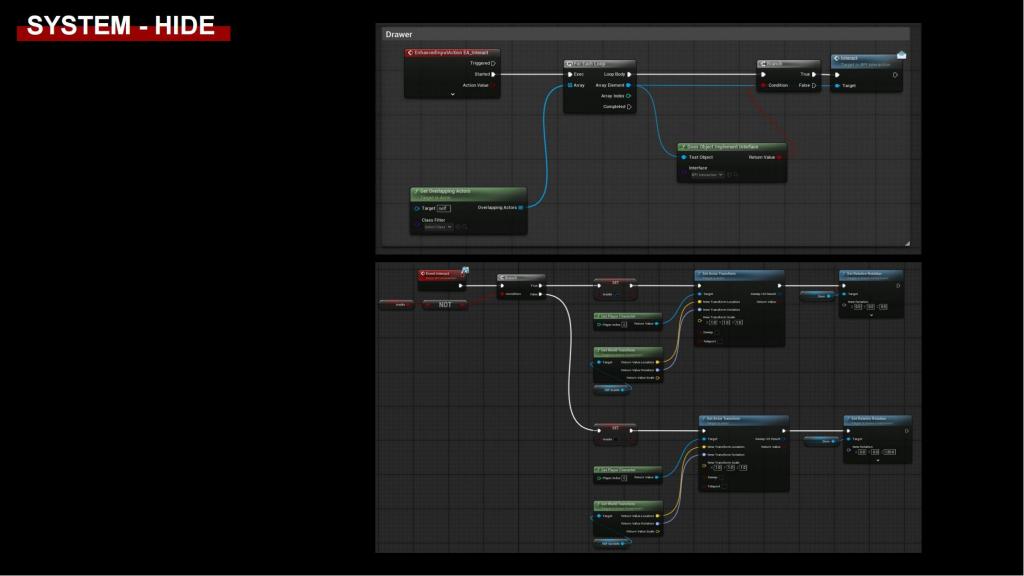
This is the hiding mechanic for the player. When the player enters the cabinet’s range, pressing E will close the door, making the player undetectable by the AI. Pressing E again will allow the player to exit.
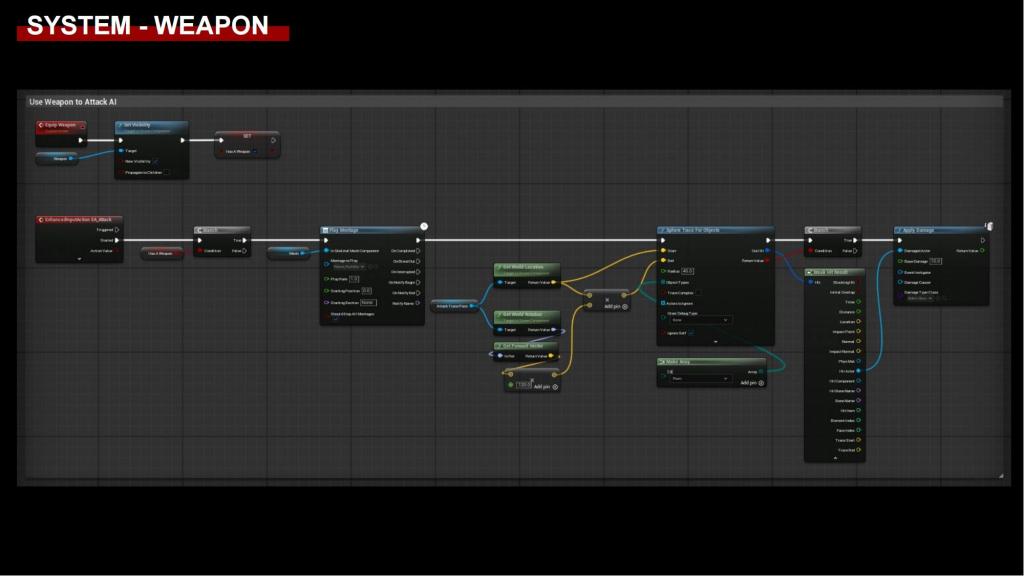
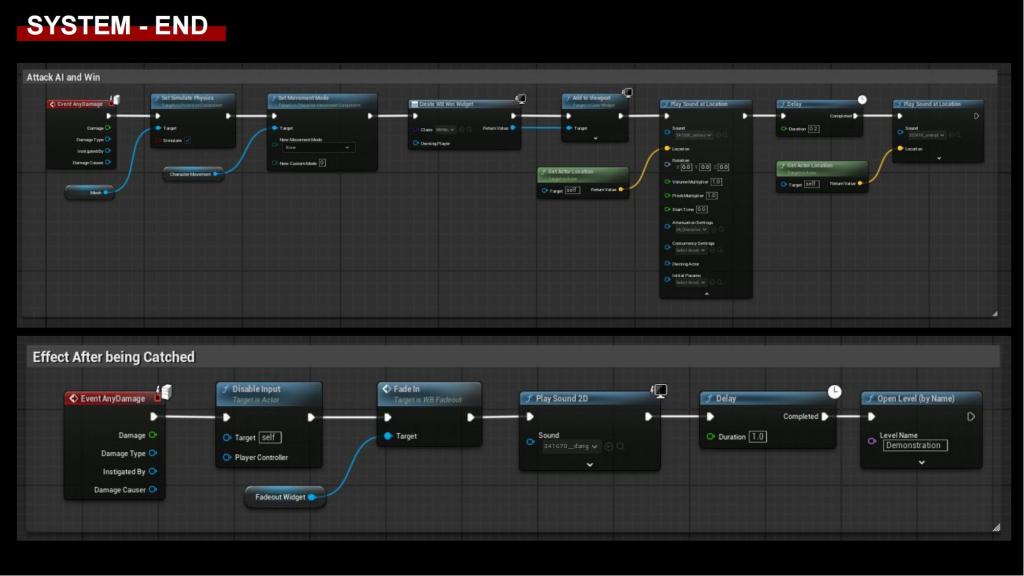
The player can pick up a weapon and attack the AI. This determines the game’s ending—if the attack is successful, the player wins. If the player is attacked instead, they lose and are returned to the beginning.
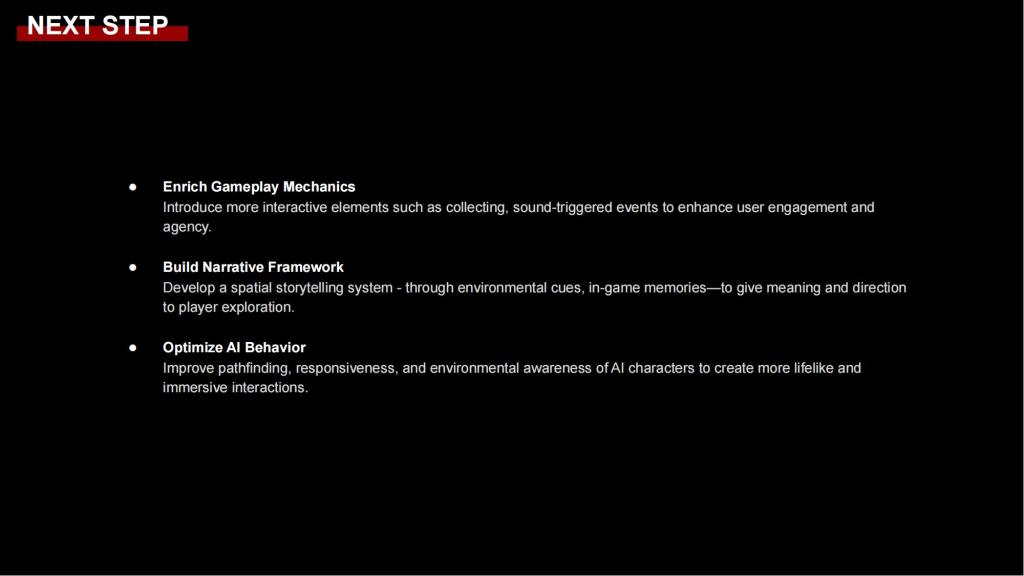
If we still have time, we would like to enrich gameplay mechanics by introducing more interactive element. And to build narrative framework through environmental cues. And also optimizing AI behavior since it is not that stable at this moment.
 Course Blog
Leave a comment