The Memory Gate treats architecture as a dynamic puzzle to explore environmental fragility across two distinct arenas.
1. The Core Mechanic: Structuring the “4D Shift”
The player acts as a third-person catalyst. They use the Z/X keys to intersect two overlapping realities. These realities are a ruined present and a pristine past.
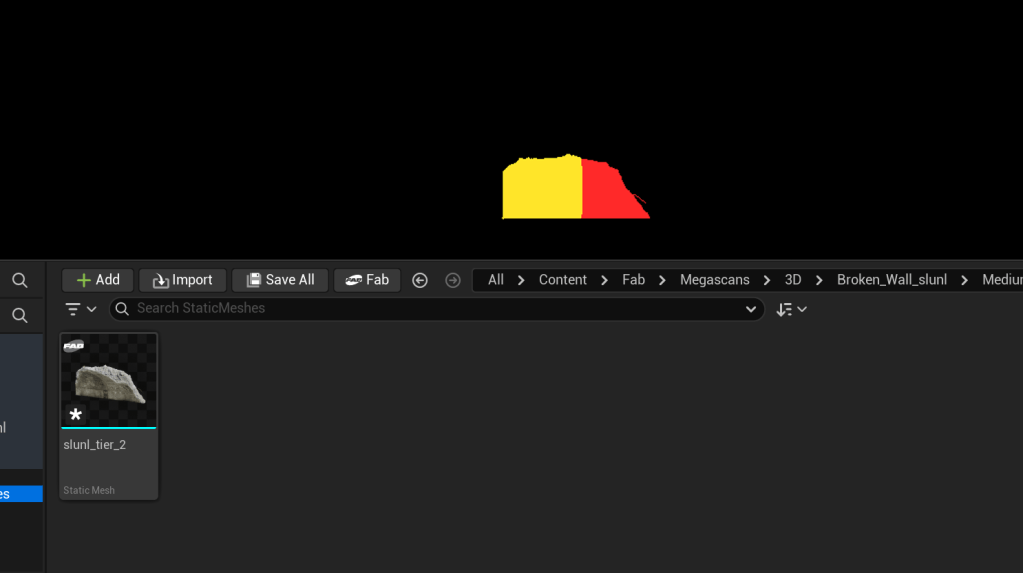
- The “4D Shift”: Players navigate time as a spatial dimension. They swap the current ruin with its past memory. This concept is inspired by Titanfall 2’s “Effect and Cause”.
- The “Sphere Void”: Rather than shifting the whole world, the player carries a localized bubble. This bubble restores the intact reality exclusively within its radius.
- Navigational Paradoxes: The layout relies on this mechanic for progression. A path blocked by debris or toxic fog in the Ruin state becomes an open corridor in the Serene state. Players must use the Sphere Void to walk on clean geometry that no longer physically exists.
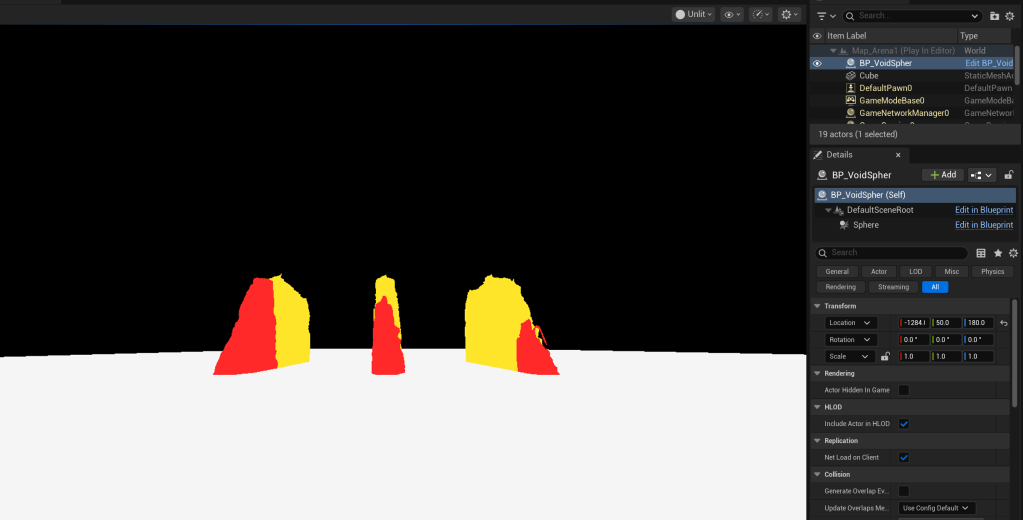
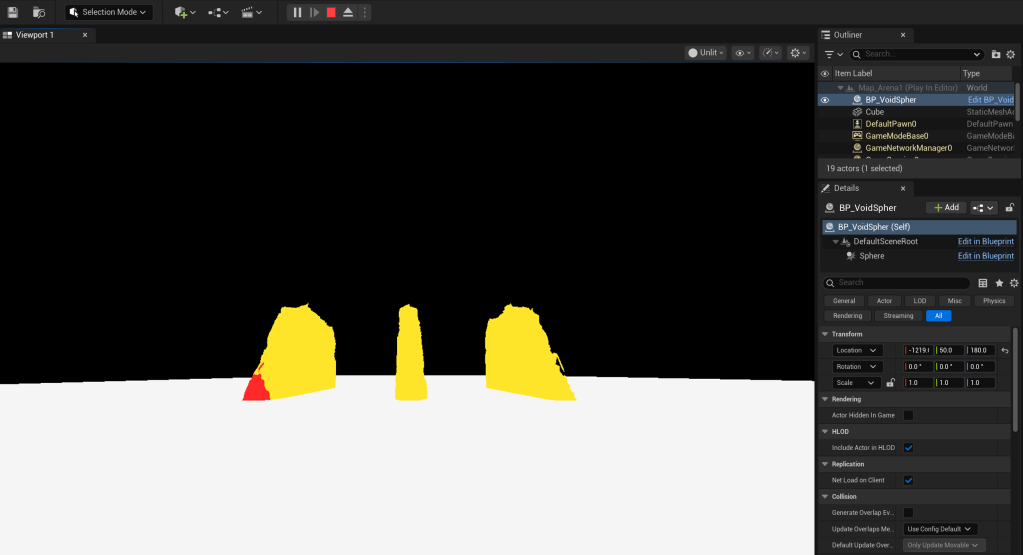
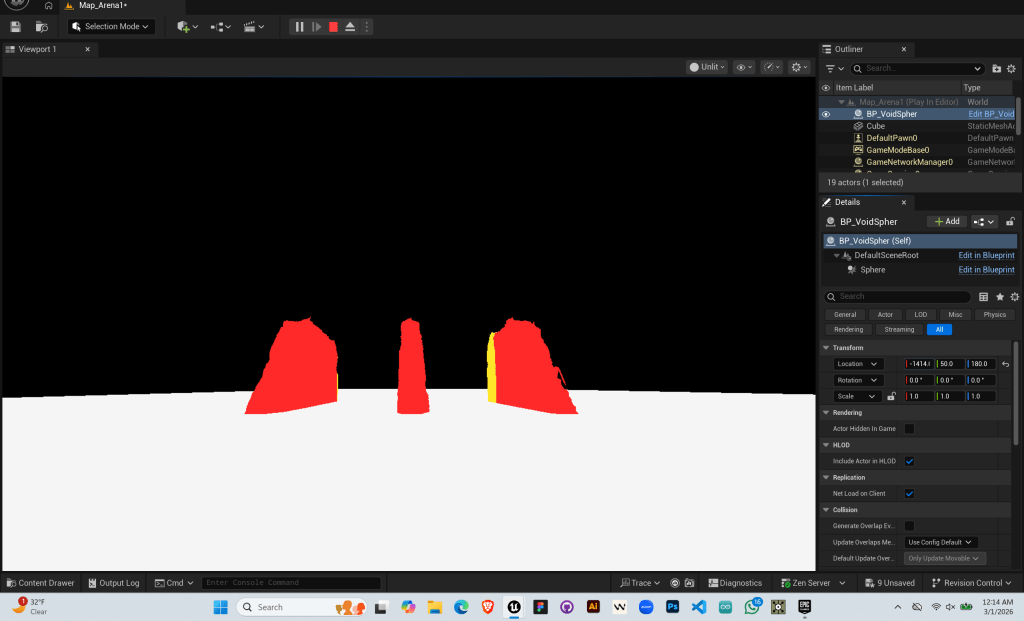
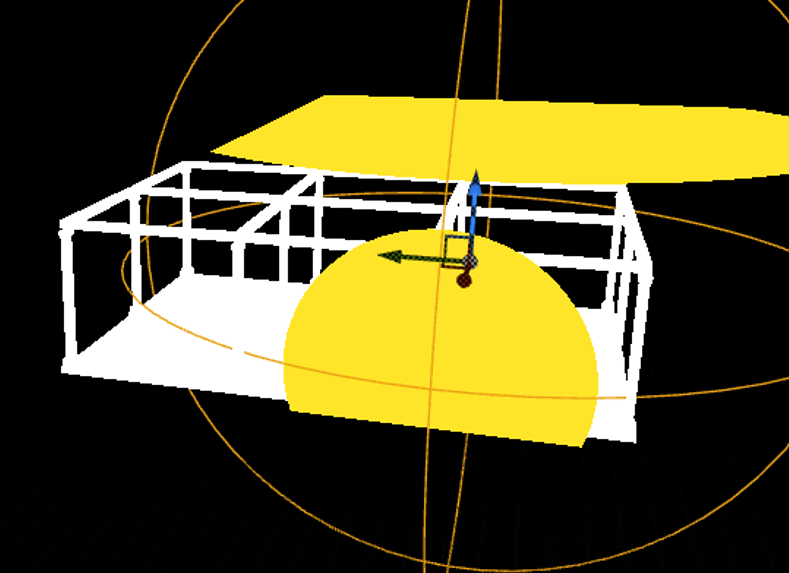
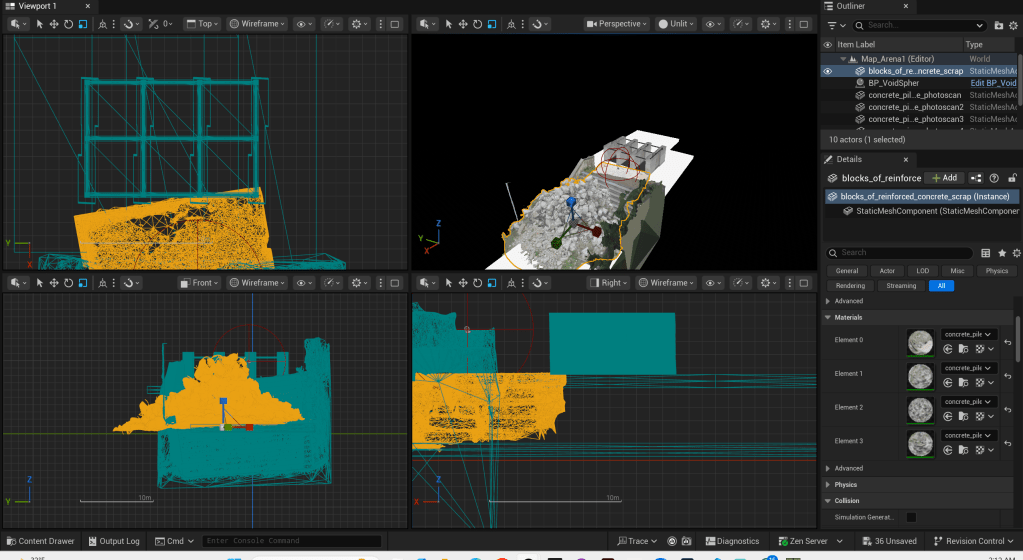
Testing spatial flow and collision logic in the “white room” phase before applying heavy materials. Z-axis shift of void sphere
2. Sourcing Assets and Material Challenges
Building these dual-realities required careful asset curation and deep technical modifications to how those assets rendered.
Testing the Logic: I began by testing my 4D switch logic using Brutalist architecture assets. Their stark, heavy geometric forms were the ideal base layer. They allowed testing of the visual impact of the transition. This was before introducing more ornate elements.
Asset Selection Criteria: When sourcing from the Fab plugin, my criteria went beyond pure aesthetics. I specifically searched for comprehensive architectural volumes. I focused on watertight geometry rather than single-sided planes. This was to ensure the volumetric fog, collisions, and dynamic lighting interacted correctly. Modularity and clean material IDs were also strict requirements. As I learned early in development, importing unoptimized .glb files directly often resulted in severe Z-fighting and transparency glitches, requiring a strict filter for high-quality, game-ready meshes.

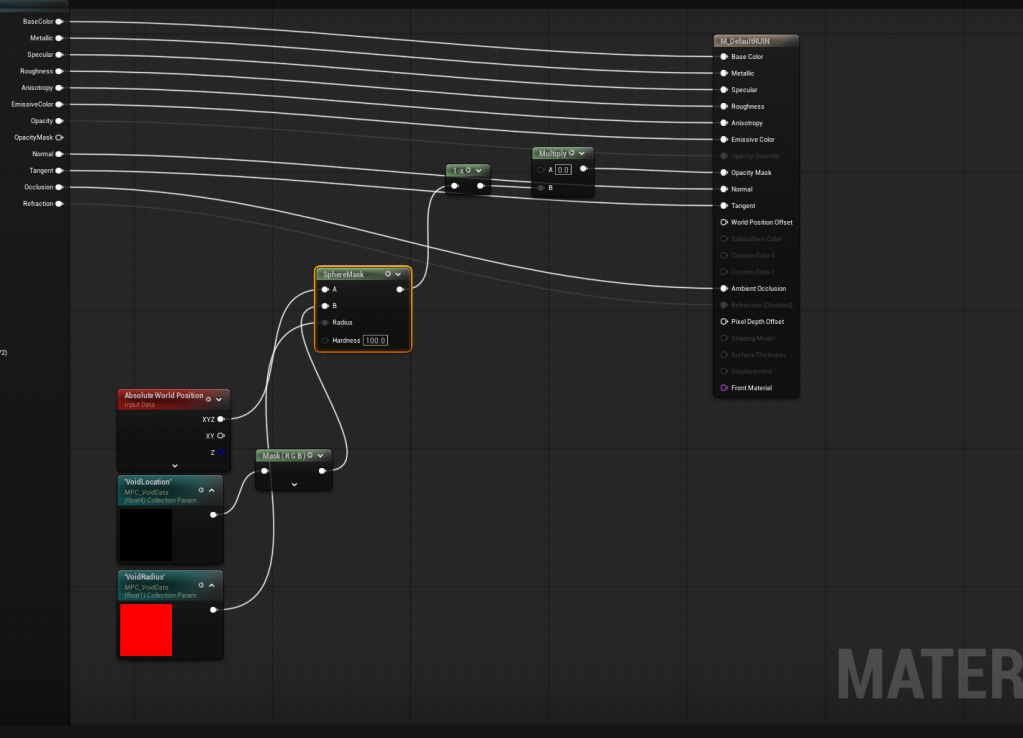
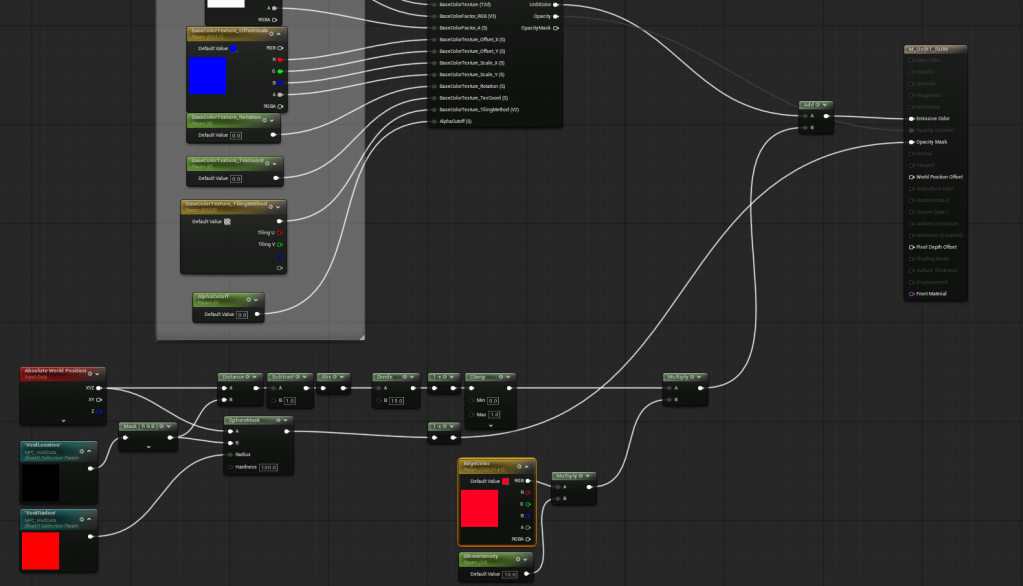
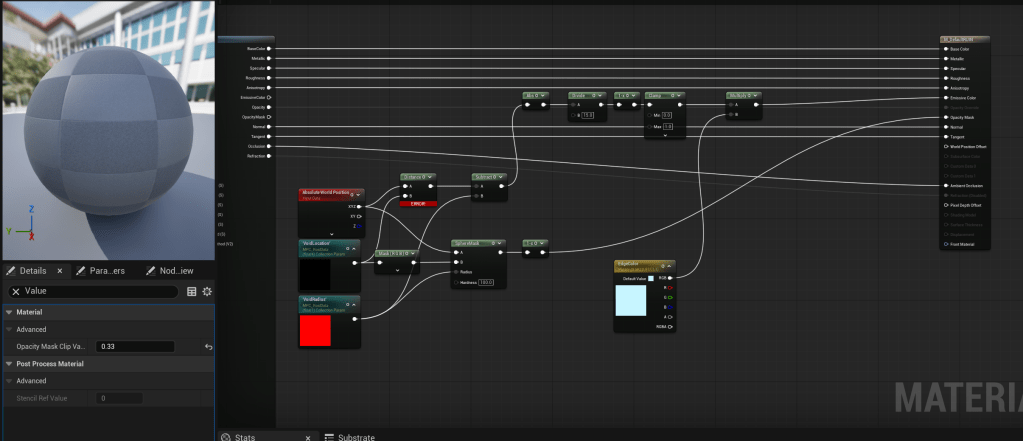
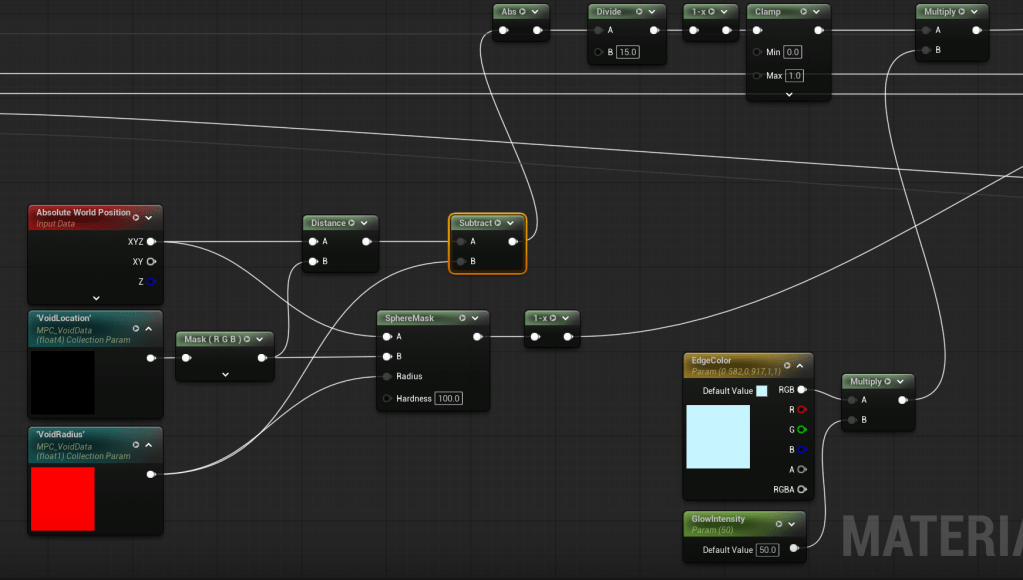
Material Challenges (The Parent/Grandparent Hierarchy): The most significant technical hurdle involved retrofitting the downloaded assets. These assets had to work with my custom “4-D Shift” logic. High-quality assets come with their own complex Material Instances (Children). To make my Sphere Void effect work across the entire level simultaneously, I couldn’t just edit individual assets. I had to drill down into the Master Materials (the “Grandparents” of the hierarchy).
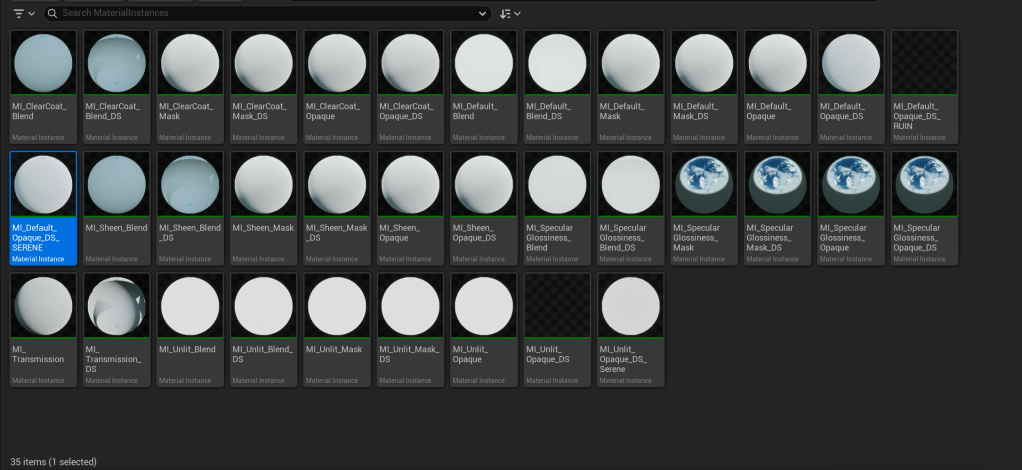
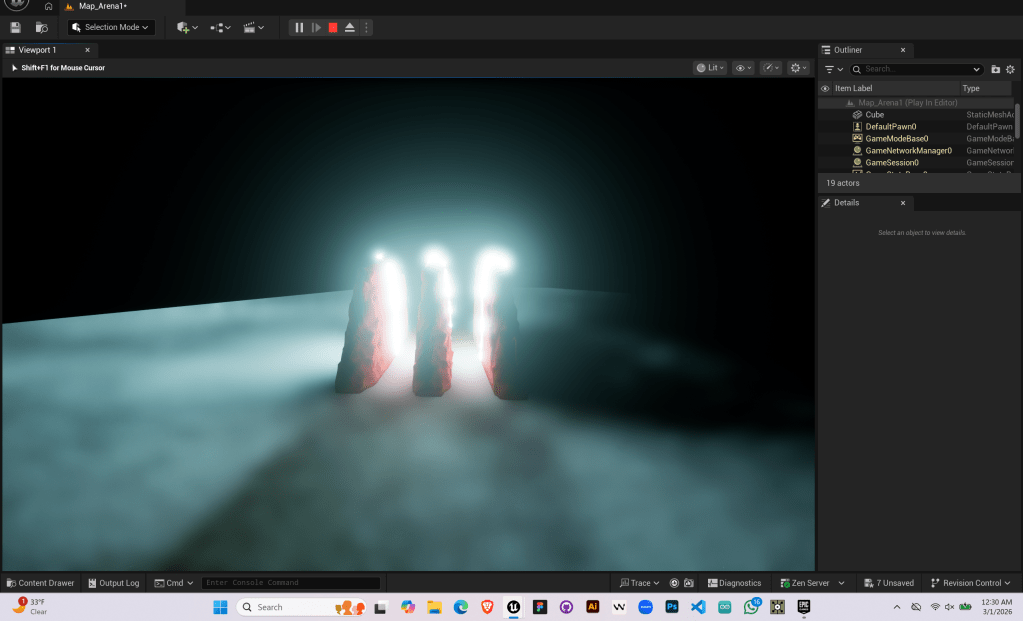
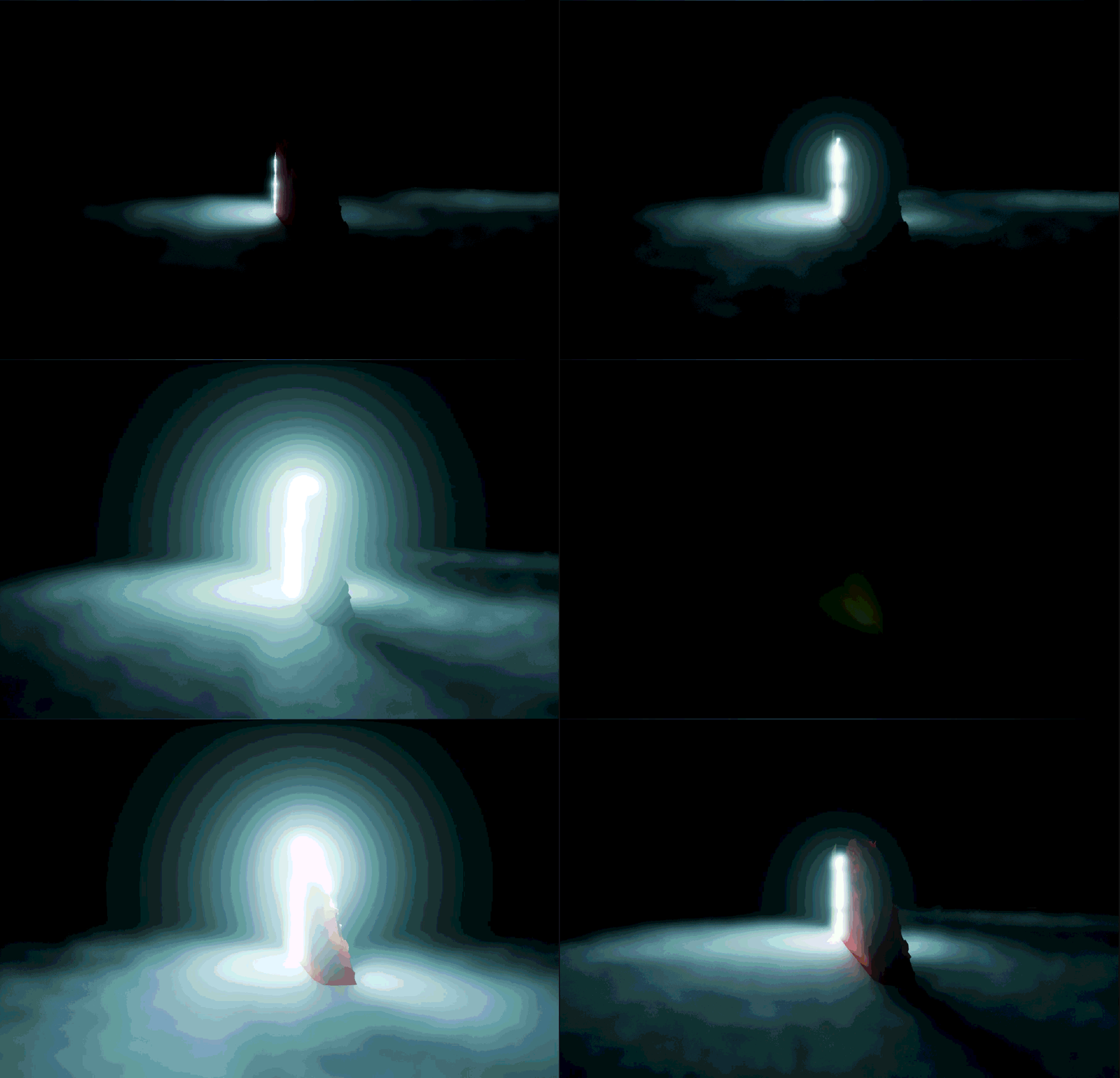
Retrofitting the Master Material: I had to carefully inject the MPC_Voiddata masking logic directly into the Opacity pipeline of these Grandparent materials. Then, I integrated it with the Base Color pipeline. This is a delicate process—altering a Grandparent material instantly cascades down to hundreds of child instances. One misaligned node could completely break the scaling. It might affect normal maps, or roughness of the entire environment. Alternatively, it could trigger thousands of shaders to recompile. Balancing this complex and hierarchical material logic was a major focus during the look-and-feel development. We also focused on heavy volumetric fog and cyan god-rays, all without tanking the game’s frame rate.
3. The Playable Arenas
Sketches:
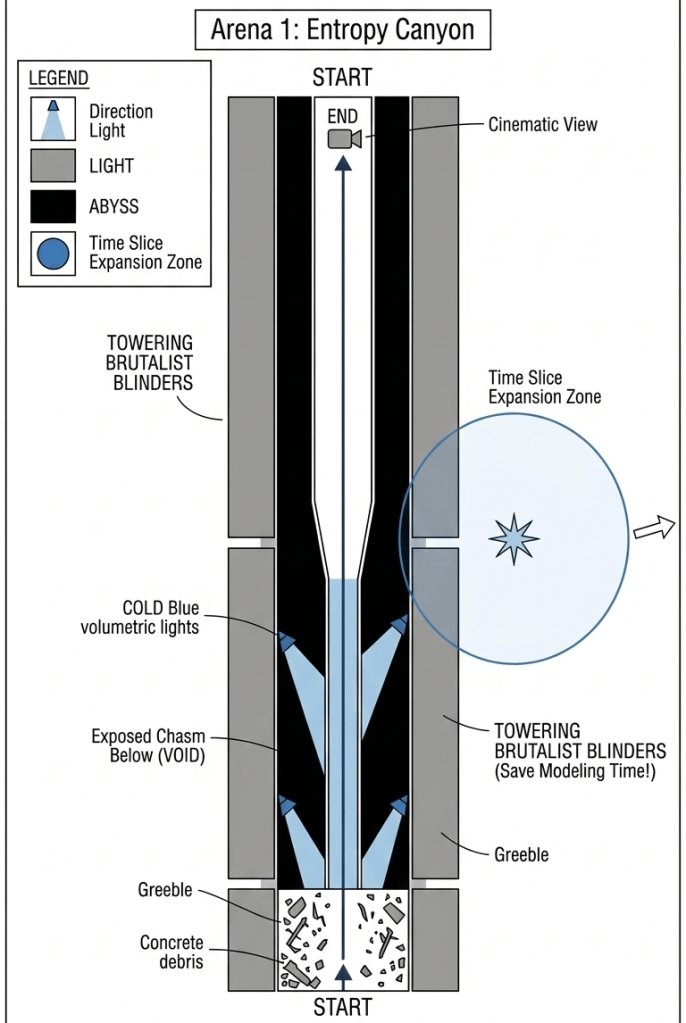
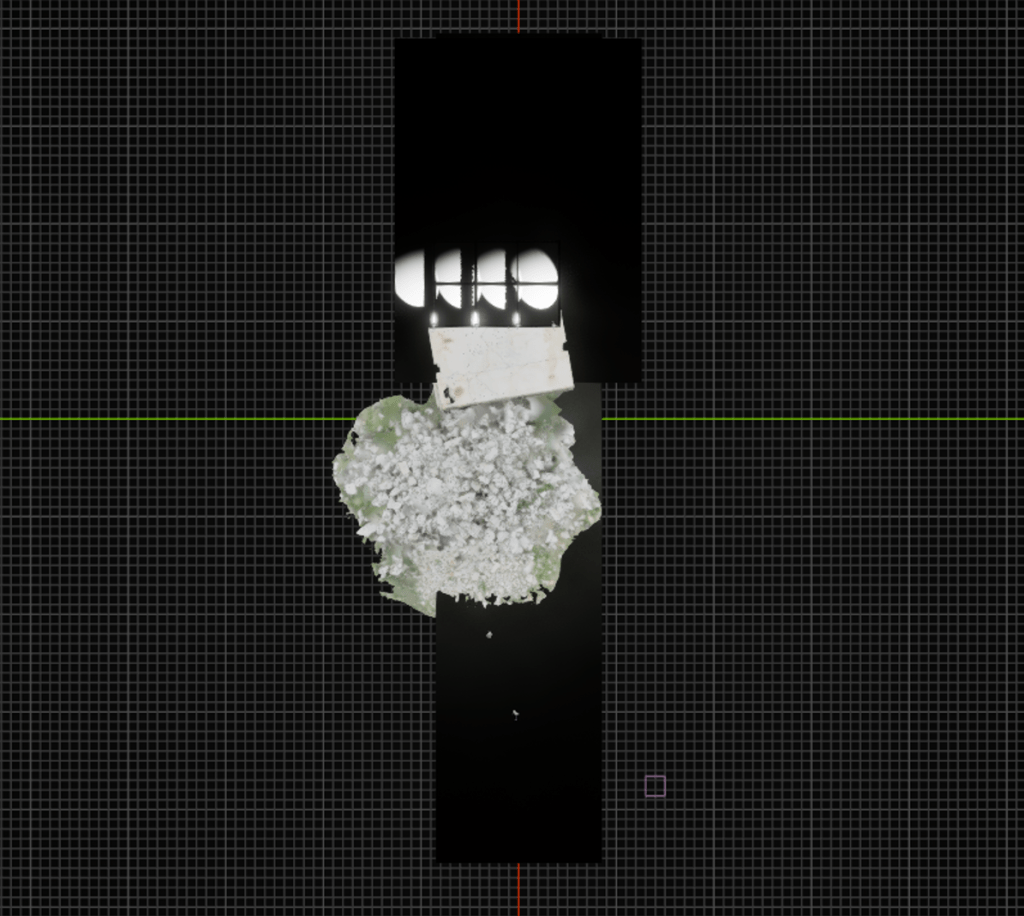
Ruin: Debris -> Steel building frame
Serene: Steps -> Building with concrete graffiti on columns (presence of human)
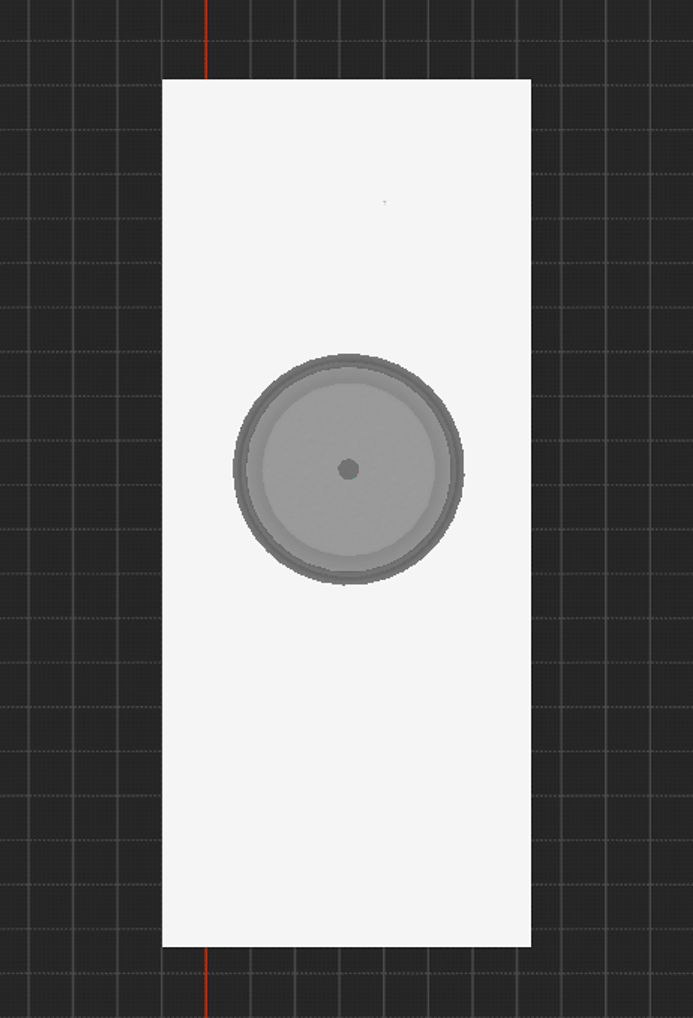
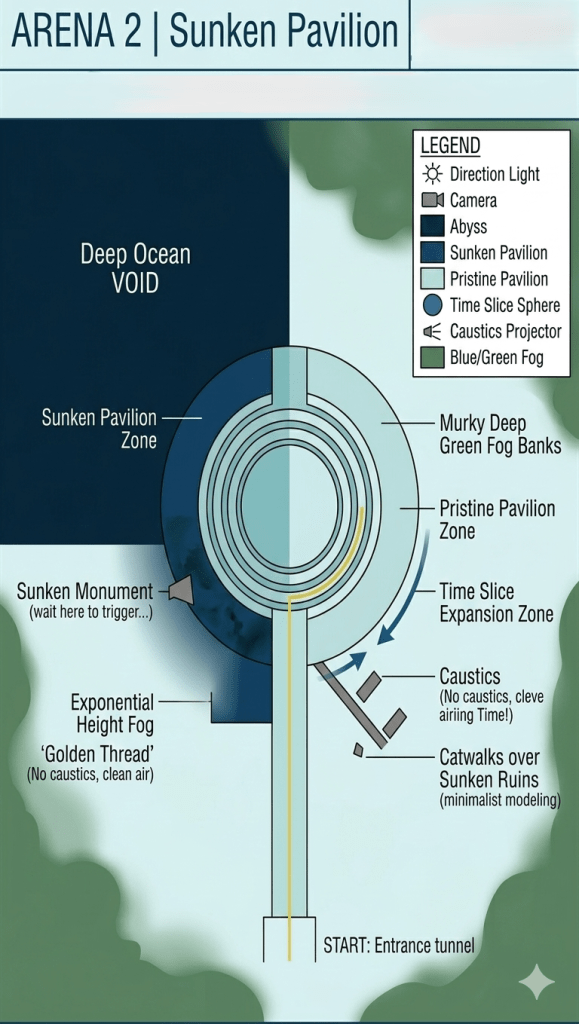
Ruin: Pavilion above ground -> without fog
Serene: Pavilion Underwater missing components -> growth of moss on material
To explore different types of fragility, the game is split into two distinct levels.
Level 1: The Ruined City (Modern Collapse)
- Description: Arena 1 presents a modern city environment that undergoes the player-triggered 4D Reality Shift. The player can toggle the world from a state of industrial order into a war-torn, fractured ruin.
- Purpose & Theme: The purpose of this level is to explore modern, man-made architectural fragility. It is heavily inspired by the architect Lebbeus Woods and his concept of “freestanding zones” of instability. Additionally, it draws from artist Rachel Sussman’s Sidewalk Kintsugi. The narrative pushes the idea that breakage and destruction are not just mistakes to be hidden. They are highlighted events of historical memory that the player can actively interact with.
Level feel and flow
There are top-down layout plans for Level 1 and Level 2. These plans highlight the branching paths. They also show the blocked corridors that require the 4D Shift to navigate.
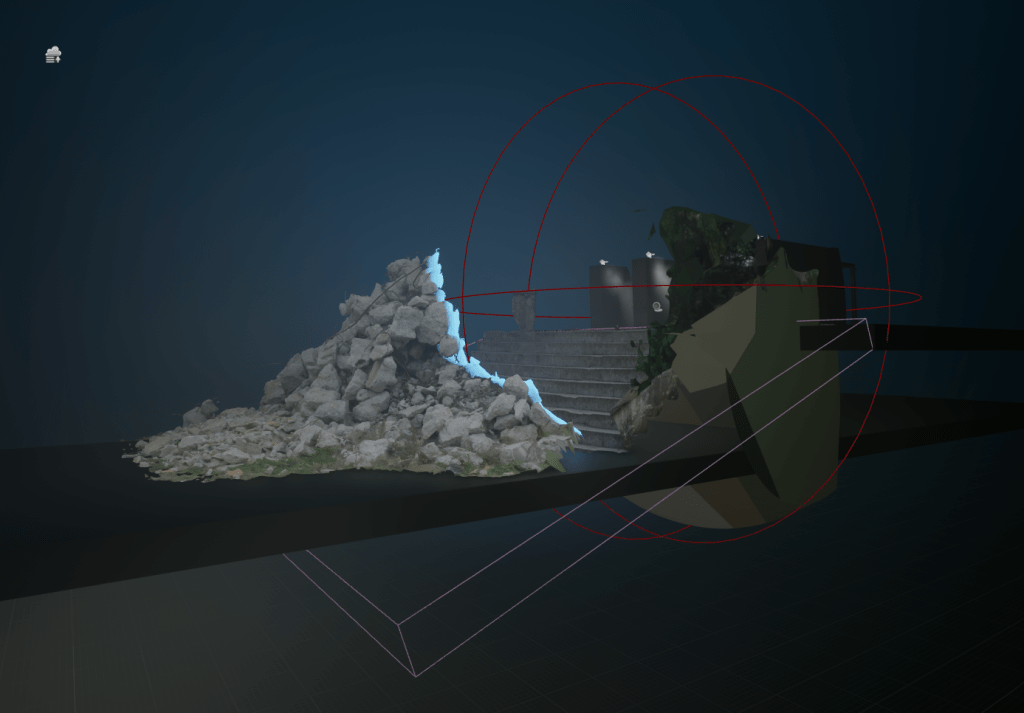
Level 1 Atmosphere: Dense, toxic volumetric smog acts as a physical hazard. This smog contrasts sharply with the clean air of the pristine timeline.
Level 2: The Sunken Monument (Ecological Decay)
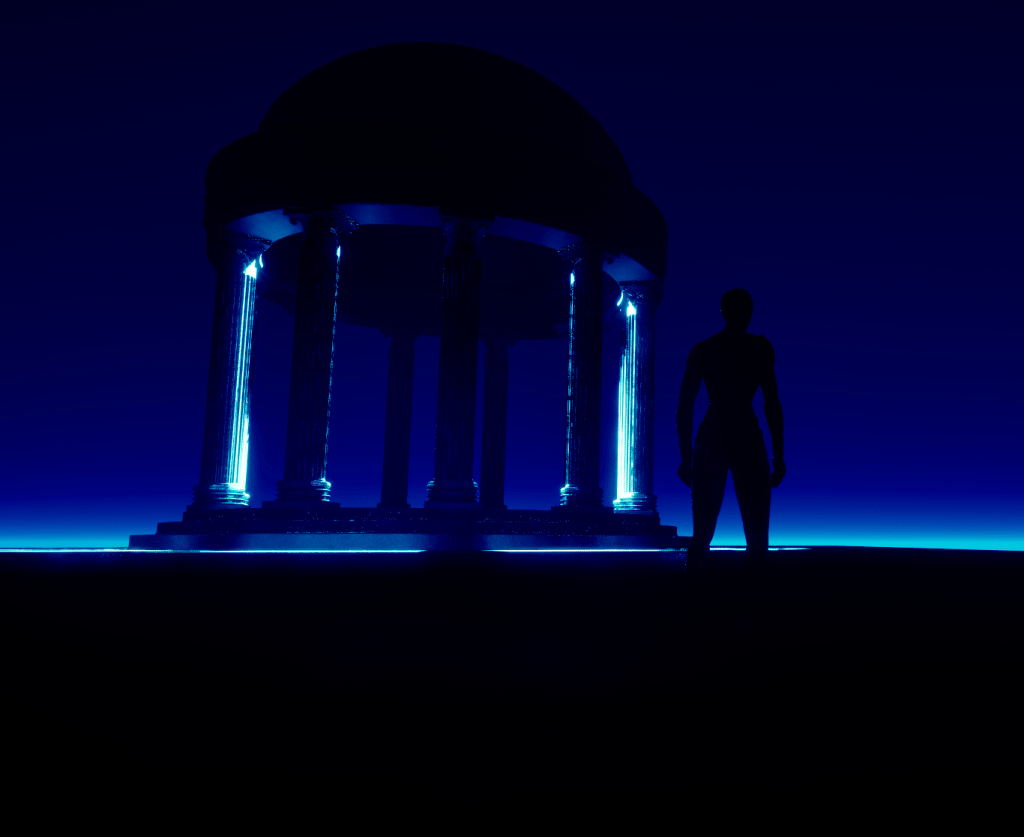
- Description: Arena 2 transports the player away from the modern city and into a classical coastal temple. Through the same 4D Reality Shift, this environment changes from a pristine, sunlit monument. It turns into a dark, submerged ruin overtaken by rising seas (natural calamities).
- Purpose & Theme: The second arena aims to shift the focus. It moves attention from man-made destruction to climate-driven ecological collapse. The player must navigate a submerged abyss. They use the Sphere Void to carve out pockets of dry air. This process reveals the profound fragility of ancient cultural heritage in the face of natural calamity.
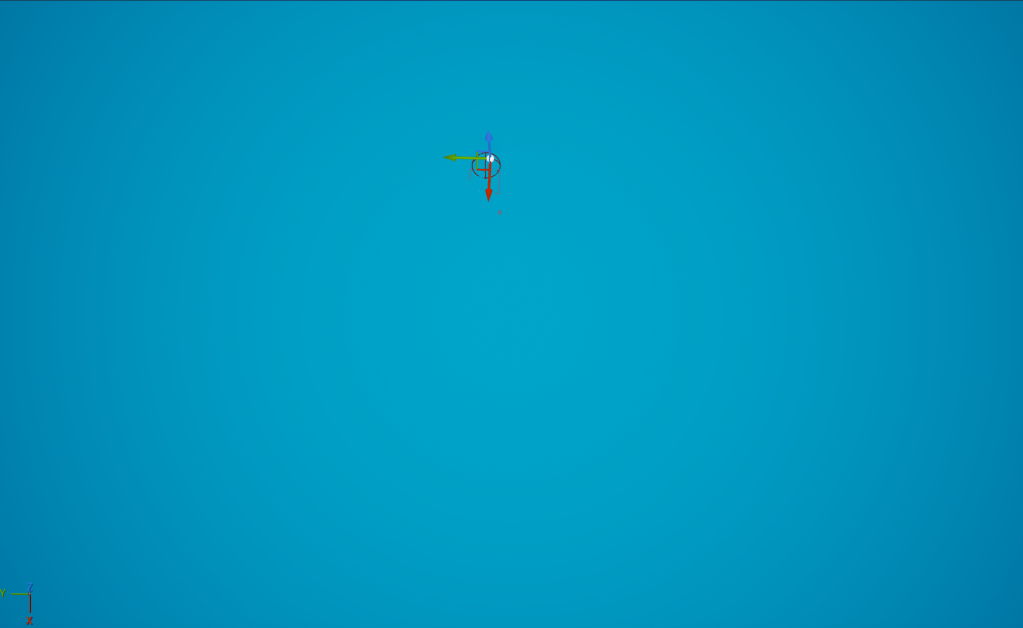
Level 2 Atmosphere: Heavy, deep-blue fog simulates a suffocating underwater abyss, broken only by the player’s dry-air Sphere Void.

Asset Challenge: The Classical Greek Temple. The intricate, overlapping geometry of fluted columns and ornate capitals made the ‘Sphere Void’ masking incredibly difficult. I had to ensure all meshes were strictly watertight. This was necessary so the volumetric fog and procedural material transitions didn’t break. It also prevented Z-fighting during the 4D Shift.
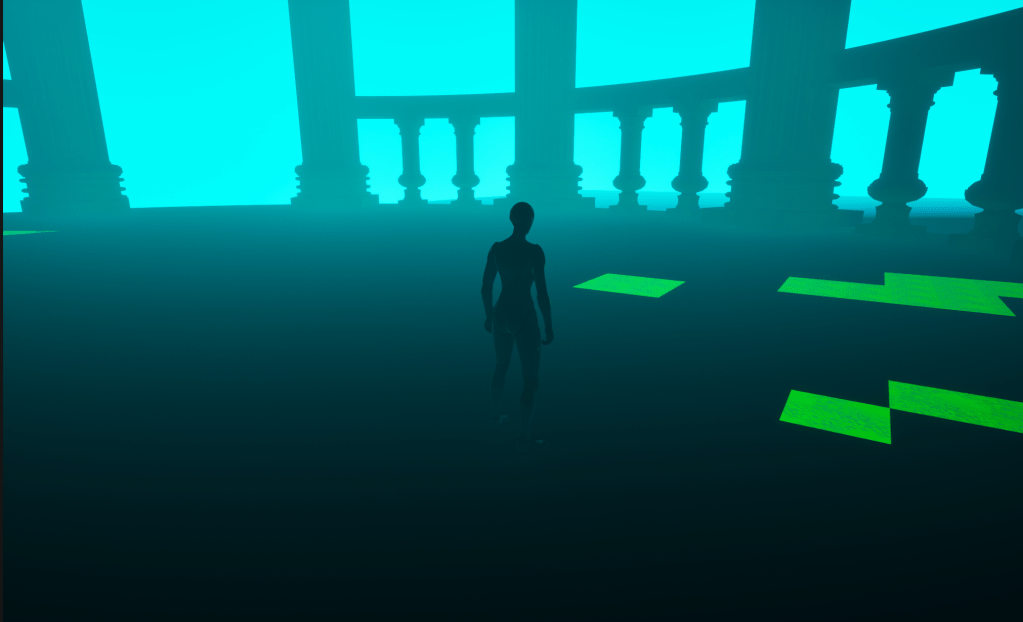
4. Third Person: The Player as a Catalyst
In a game with shifting spatial puzzles, the third-person camera is crucial. It serves as a functional necessity rather than just a stylistic choice.
- Spatial Awareness: Because the “Sphere Void” is a localized bubble, an external camera lets players accurately gauge its radius. Identifying the exact boundary between the pristine memory and the ruined present is crucial. This helps in solving navigational paradoxes, such as timing jumps across hidden geometry or dodging toxic fog.
- Architectural Scale: The pulled-back view emphasizes the sheer size of the environments. The player is framed as a tiny catalyst triggering massive structural shifts. This reinforces the core theme of environmental fragility. It allows players to witness the 4D transformation happening all around them, rather than just directly in front of them.
Designing “The Memory Gate” has been a fascinating journey into how we experience space and time in virtual environments. I’m curious to hear your thoughts. What are some of your favorite examples of time-manipulation in games? How about environment-shifting in digital media?
 Course Blog
Leave a comment